Monument to be established in Ghana in honour of 1994 Rwandan genocide
By DL News
Published
1 min read
The announcement was made by Yussif Issaka Jajah, Member of Parliament and Deputy Minister for Tourism, Culture and Creative Arts, during Ghana’s commemoration of Rwanda’s 31st Liberation Day, known as Kwibohora.
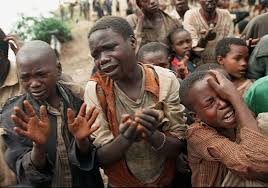
President John Dramani Mahama has approved land for the construction of a permanent genocide memorial in Accra to honour victims of the 1994 Genocide Against the Tutsi in Rwanda. The memorial will be the first of its kind in Africa outside Rwanda and is set to stand as a symbol of African remembrance, unity, and solidarity.
The announcement was made by Yussif Issaka Jajah, Member of Parliament and Deputy Minister for Tourism, Culture and Creative Arts, during Ghana’s commemoration of Rwanda’s 31st Liberation Day, known as Kwibohora.
While several genocide memorials exist globally, Ghana’s monument will be the first supported by a national government outside Rwanda. It also pays tribute to Ghana’s peacekeepers who served with courage during the 1994 genocide as part of the United Nations Assistance Mission for Rwanda (UNAMIR). Ghana was among the few countries that maintained their presence and worked to protect civilians amidst the violence.
Rwanda’s High Commissioner to Ghana, Rosemary Mbabazi, commended the Ghanaian government for the initiative and reflected on the significance of Kwibohora31. She paid tribute to the Rwandan Patriotic Front and its leader, President Paul Kagame, for stopping the genocide and leading Rwanda’s extraordinary recovery.
This year’s commemoration was especially meaningful, bringing together Rwandan communities from across West Africa—including Benin, Côte d'Ivoire, Togo, Sierra Leone, and Liberia—alongside Ghanaian officials, diplomats, and allies of Rwanda.
The Accra celebration also showcased Rwanda’s post-genocide journey through traditional performances by a Rwandan cultural troupe, highlighting the country’s resilience, cultural pride, and identity beyond its tragic past.
High Commissioner Mbabazi described modern Rwanda as “a nation anchored in dignity, accountability, equity, and progress,” emphasizing that remembrance is essential not only for healing but for building a united and forward-looking Africa.