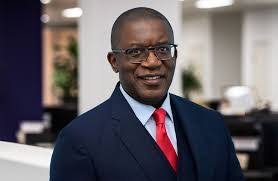
Sky train case: Supreme Court dismisses former GIIF CEO’s bid to overturn High Court ruling
By DL News
Published
2 min read
The decision clears the way for the criminal proceedings against Mr Asamoah and former GIIF Board Chairman, Professor Christopher Ameyaw-Akumfi, to continue before the High Court.
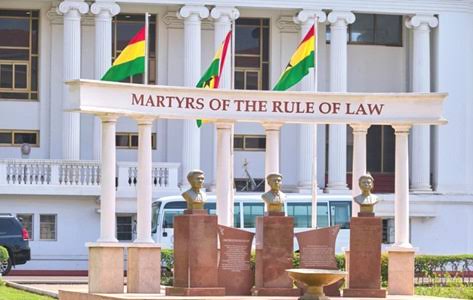
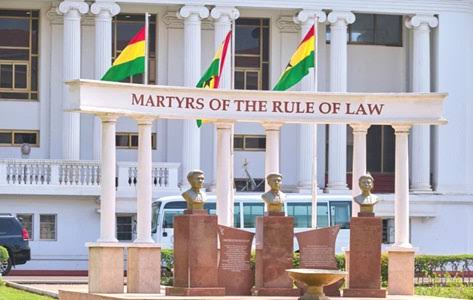
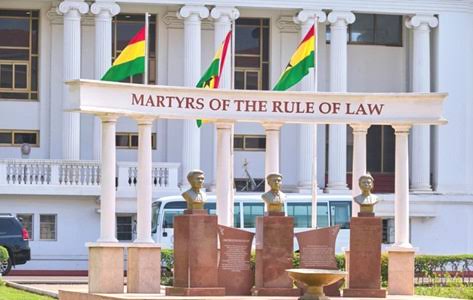
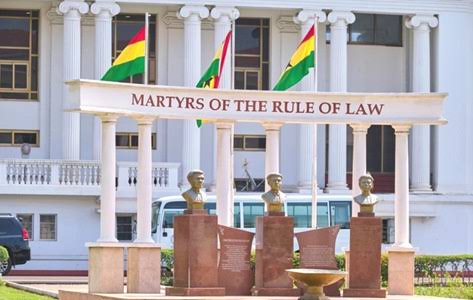
The Supreme Court has rejected an application by former Chief Executive Officer of the Ghana Infrastructure Investment Fund (GIIF), Solomon Asamoah, challenging a High Court decision requiring him to open his defence in the ongoing trial over the alleged loss of $2 million in the proposed Accra Sky Train project.
The decision clears the way for the criminal proceedings against Mr Asamoah and former GIIF Board Chairman, Professor Christopher Ameyaw-Akumfi, to continue before the High Court.
The two former officials are standing trial over allegations that funds amounting to $2 million were disbursed towards the proposed Sky Train project without the necessary approval of the GIIF Board.
Prosecutors also allege that the payment was made despite no corresponding work having been undertaken to justify the expenditure.
How the matter reached the Supreme Court
Following the close of the prosecution's case, the accused persons filed a submission of no case to answer, contending that the evidence presented by the prosecution was insufficient to require them to enter a defence.
However, the trial judge, Justice Kocuvie-Tay, rejected their submission and ruled that they had a case to answer.
The ruling required the accused persons to proceed to the next stage of the trial by opening their defence.
Unhappy with the decision, Mr Asamoah subsequently invoked the supervisory jurisdiction of the Supreme Court, seeking to have the High Court's ruling set aside.
His application challenged the manner in which the trial judge reached her decision, particularly certain pronouncements he argued went beyond what was required at the no-case stage.
According to Mr Asamoah, the judge exceeded her jurisdiction by making definitive findings concerning his alleged responsibility for the financial loss before the conclusion of the trial.
Supreme Court rejects application
A five-member panel of the Supreme Court, chaired by Justice Gabriel Scott Pwamang, dismissed the application after considering the grounds advanced by the former GIIF Chief Executive.
The other members of the panel were Justices Samuel Kwame Asiedu Adibu, Hafisata Amaleboba, Sophia Bernasko-Essah and Anthony Forson Jnr.
The apex court held that the matters raised by Mr Asamoah did not establish sufficient grounds to warrant the exercise of its discretionary supervisory jurisdiction over the High Court.
Consequently, the court declined to interfere with the trial judge's decision directing the accused persons to open their defence.
Trial to continue at High Court
The Supreme Court's ruling leaves the High Court's earlier decision intact, allowing the prosecution of the two former GIIF officials to proceed.
Mr Asamoah is therefore required to present his defence to the allegations before the trial court.
The dismissal of the application does not constitute a finding of guilt against either accused person.
Rather, it means that the High Court's determination that there is a case to answer remains operative, with the criminal proceedings expected to continue before Justice Kocuvie-Tay.
The trial will ultimately determine whether the prosecution has established the allegations against the former GIIF officials beyond reasonable doubt.