
Opinion
‘Robo-Justice’: A Critical Examination of Artificial Intelligence (AI) Adoption in Ghana’s Legal System
Elizabeth Asantewaa Ofori and Goodnuff Appiah Larbi
185 results.
Opinion
Elizabeth Asantewaa Ofori and Goodnuff Appiah Larbi


Opinion
The author shares her unalloyed disagreement over what she describes as "condescending and sexist" posturing to women in the legal profession
Francisca Serwaa Boateng
Opinion
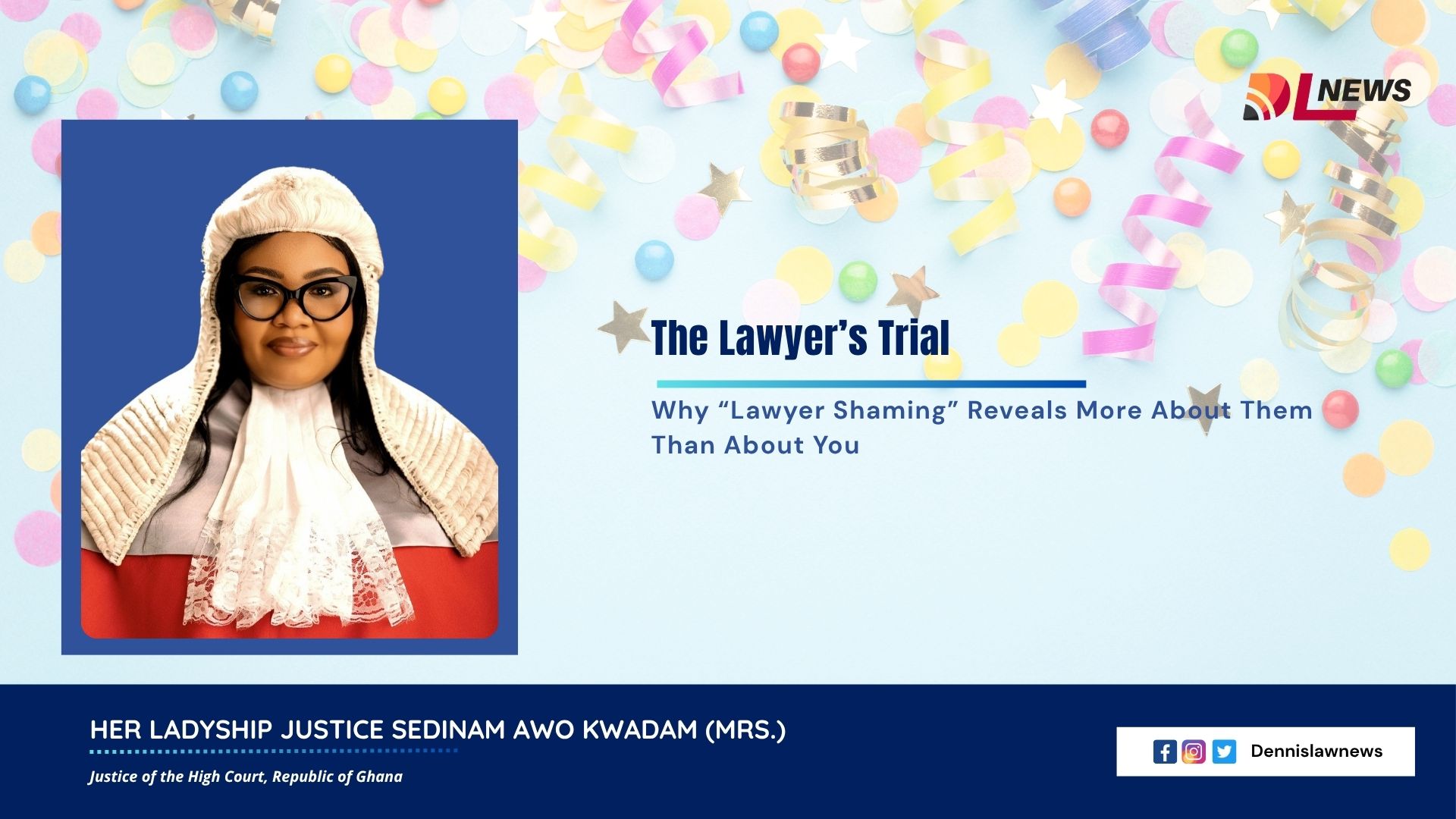
The article argues that “lawyer shaming” is less a valid criticism of the legal profession and more a reflection of insecurity, admiration, and misunderstanding on the part of critics. It defends the dignity of legal practice by highlightin...
Sedinam Awo Kwadam

Opinion
The article argues that Ghana’s legal ethics rules still provide a strong foundation, but they do not directly address the realities of AI-assisted legal practice. It concludes that the General Legal Council should clarify how existing duti...
Michel A. Nkansah
Opinion
The article argues that endorsing a writ with “Agent for Plaintiff” wrongly treats the lawyer-client relationship as an agency relationship, whereas Order 2 rule 5(1)(b) of C.I. 47 concerns one lawyer acting as agent for another lawyer. It...
Sedinam Awo Kwadam and Kwadwo Owusu-Ansah

Opinion
The author shares twelve critical insights for young lawyers on how to experience the most satisfaction in the profession
Francisca Serwaa Boateng

Opinion
The article argues that the Ghana School of Law’s current two-day-per-week internship model fails to satisfy the statutory six-month internship requirement and undermines meaningful practical legal training. It calls for a return to full-ti...
Dennis Adjei Dwomoh
Opinion
The article argues that Ghana’s Legal Education Act, 2026 (Act 1170) does not abolish entrance examinations for professional legal training. Instead, it preserves entrance examinations while shifting legal education from a monopoly model to...
Dennis Adjei Dwomoh
Opinion
A party that acts by a lawyer may change its representation during the trial. However, this can only be done by strict compliance with certain mandatory requirements outlined in both the C.I. 47 and Act 32. The author discusses these requir...
Noah Ephraem Tetteh Adamtey
Opinion
This reflective piece explores the profound alignment between Ghana’s legal vacation and the Memorial of Saint Alphonsus Liguori, the lawyer-turned-saint whose journey from courtrooms to priesthood offers timeless lessons in humility, justi...
Kofi Annan

Opinion
This article seeks to examine the continuous relevance of the one month’s notice requirement in the law in the light of the 1992 Constitution and other legislations that have abandoned such requirements
Francisca Serwaa Boateng

Opinion
This article highlights the importance of professional development (PD) books for lawyers, emphasizing how they help build complementary skills like communication, adaptability, business acumen, and mental resilience. Reading such books fos...
David A. Asiedu, Esq.
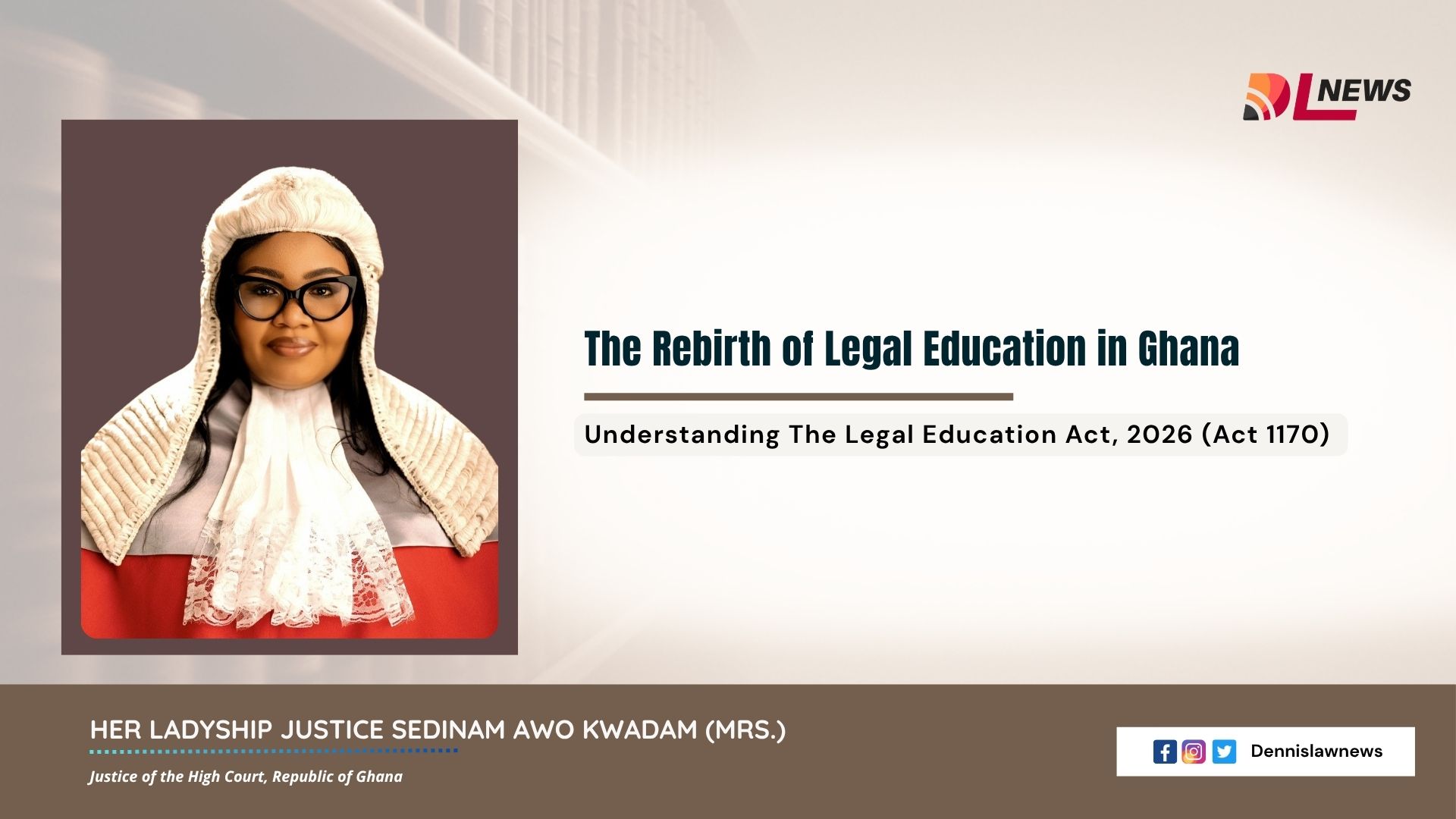
Opinion
The article argues that Ghana’s Legal Education Act, 2026 (Act 1170) marks a major transformation of legal education by expanding access, modernising governance, and strengthening professional training standards. It presents the Act as the...
Sedinam Awo Kwadam
Opinion
The Author examines the legal effect of Order 2 rule (3)(2)(a) & (b) of the District Court Rules to the extent that it permits a Solicitor’s representative to sign a writ of summons to commence an action at the District Court.
John Kwesi Hagan Jnr. Esq
Opinion
The author explores the subject of private practice and in-house practice and the dilemma confronting lawyers over which area to choose.
Francisca Serwaa Boateng

Opinion
Following the Chief Justice's decision to refer Dr. Dominic Ayine to the General Legal Council over his comments in the aftermath of the Election Petition, the author explores the implications for the legal system and the freedom with which...
Francisca Serwaa Boateng
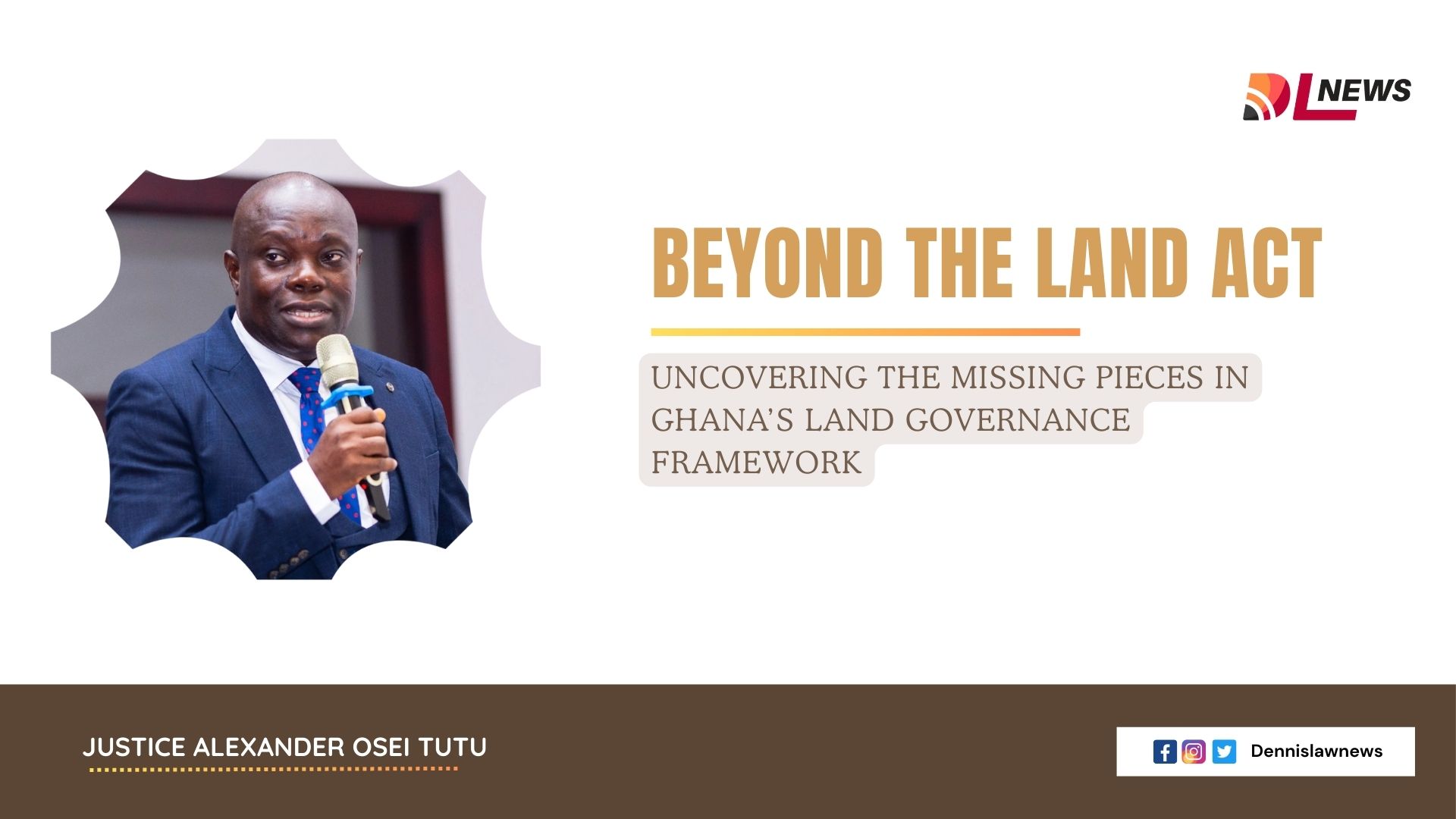
Opinion
This article argues that while Ghana’s Land Act, 2020 is comprehensive, effective land governance depends on recognizing and integrating a wider set of related laws. Justice Alexander Osei Tutu examines over 30 enactments that, although not...
Justice Alexander Osei Tutu