
Results for "statute of limitation"
84 results.
Opinion
Proprietary Estoppel and Adverse Possession: A Struggle Between Fairness and Legalized Theft
Derick Adu-Gyamfi
Opinion
Beyond The Land Act: Uncovering The Missing Pieces In Ghana’s Land Governance Framework
Justice Alexander Osei Tutu
Opinion
The doctrine of continuous violation: Can it be caught by the doctrine of Estoppel and the statute of limitation?
Derick Adu-Gyamf, Esq.
Opinion
Allodial interest under the Land Act, 2020: Some thoughts
The article discusses the position and seeming challenges with allodial interests under Ghana's Land Act, 2020
Justice Alexander Osei Tutu
Opinion
Of Section 315 (3) of the Criminal and Other Offences (Procedure) Act, 1960 (Act 30); Review of the Decision Of Augustine Yeboah vrs. Attorney-General, Dictum of Parker Yarney J.
The article reviews Augustine Yeboah v Attorney-General and examines when a prison sentence begins where a convicted person absconds before serving the sentence. It argues that the period spent at large must not count towards the sentence a...
Frederick Gurah Sampson
Opinion
Beyond ‘Penile Penetration’: Assessing Ghana’s Antiquated Definition of ‘Rape’ Through the Lens of the Rome Statute of the ICC; An Urgent Call For A Comprehensive Sexual Offences Act to Modernize Sexual Offences in Ghana.
This article critiques Ghana’s narrow, outdated legal definition of rape, restricted to penile vaginal penetration, and advocates for reform aligned with the Rome Statute’s broader, consent-focused standard. Drawing on comparative law and i...
Sedinam Awo Kwadam

Opinion
Rethinking Legal Education in Ghana: From Rote Memorization to Open-Statute Exams For A New Era of Legal Competence and Mastery
The article examines the current state of legal education in Ghana, highlighting its challenges and proposing reforms to make it more effective, accessible, and aligned with modern legal practice.
Sedinam Awo Kwadam
Opinion
The Circuit Court’s Jurisdiction in Ghanaian Land Disputes: A Jurisdiction at Large
This paper examines the misconception that the Circuit Court in Ghana is limited by a GHC 2,000,000 jurisdictional cap in land disputes. Through legal analysis, it argues that the Circuit Court’s jurisdiction in land matters—regarding owner...
Her Honour Judge Sedinam Awo Kwadam (Mrs.)
Opinion
The Moral Nuances of Adverse Possession in Ghana
This article explores the complex moral, legal, religious, and philosophical debates surrounding adverse possession, emphasizing its declining social approval and relevance in Ghana’s modern property system. It calls for reform or abolition...
Justice Alexander Osei Tutu
Opinion
The Decline of Allodial Title in Ghana
The article retraces the circumstances that have contributed to the decline of allodial interests/titles in Ghana's land law, including provisions in law that have contributed to this realization
Justice Alexander Osei Tutu
Opinion
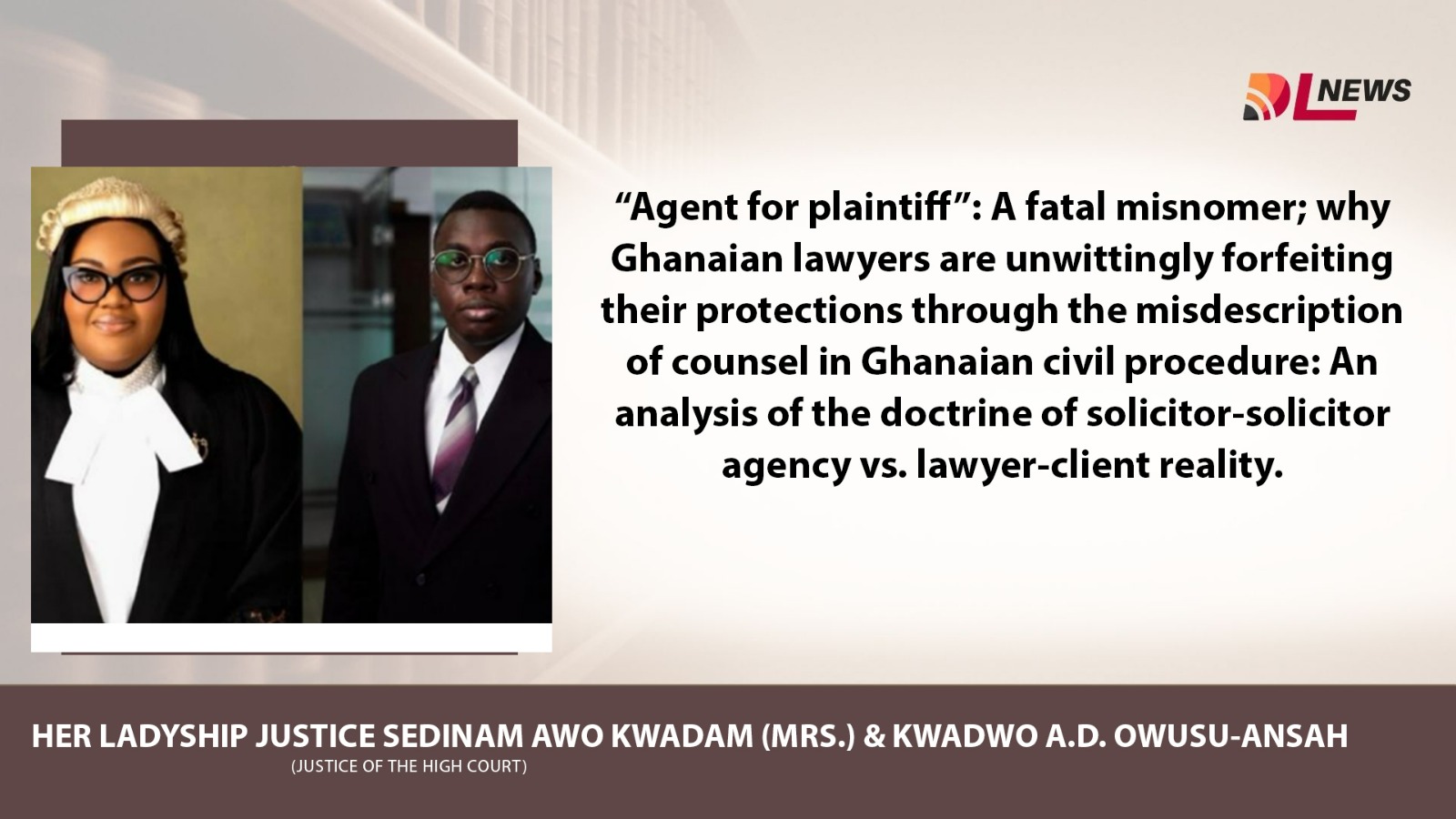
“Agent For Plaintiff”: A Fatal Misnomer; Why Ghanaian Lawyers Are Unwittingly Forfeiting Their Protections Through the Misdescription of Counsel in Ghanaian Civil Procedure: An Analysis of the Doctrine of Solicitor-Solicitor Agency vs. Lawyer-Client Reality
The article argues that endorsing a writ with “Agent for Plaintiff” wrongly treats the lawyer-client relationship as an agency relationship, whereas Order 2 rule 5(1)(b) of C.I. 47 concerns one lawyer acting as agent for another lawyer. It...
Sedinam Awo Kwadam and Kwadwo Owusu-Ansah
Opinion
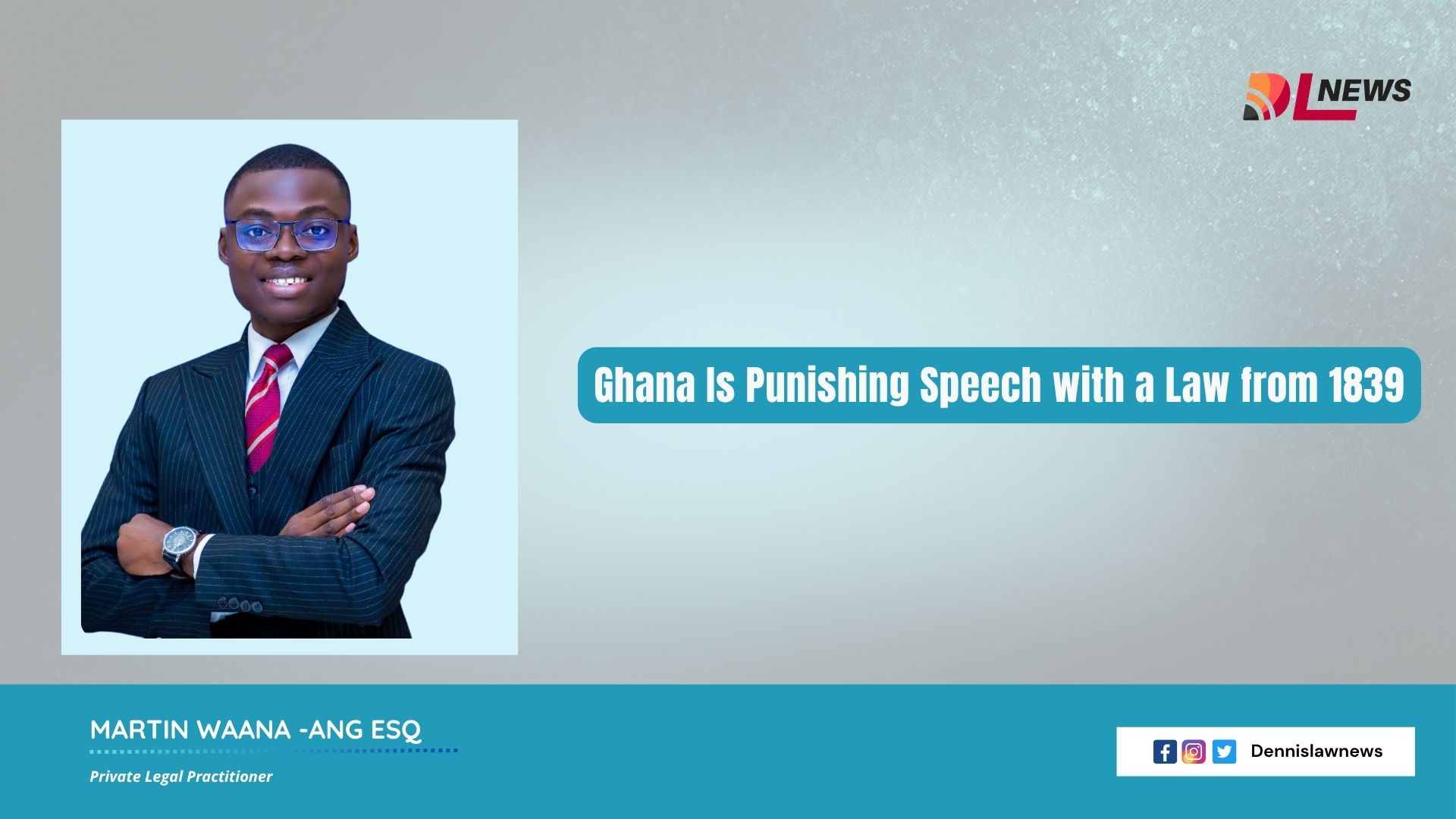
Ghana Is Punishing Speech with a Law from 1839
The article argues that Ghana’s continued use of criminal offences such as “offensive conduct” and “publication of false news” undermines constitutional free speech protections and revives colonial-era tools of speech control. It also criti...
Martin Waana-Ang
Opinion
Vehicles Do Not Commit Crimes: Registered-Owner Liability, the Presumption of Innocence, and the Legality of TRAFFITECH-GH
The article challenges the legality of Ghana’s TRAFFITECH-GH system, arguing that registered vehicle owners cannot automatically be held criminally liable for traffic offences committed by others. It contends that such liability violates th...
Albert Gyamfi Esq.
Opinion
Intestate Succession in Ghana: How PNDCL 111 Shapes Families After Death
The article examines how Ghana’s Intestate Succession Law, 1985 (PNDCL 111) protects spouses and children while exposing ongoing challenges in modern family structures, estate administration, and succession disputes. It ultimately argues th...
Naa Awura Dede Osabutey
Opinion
Time’s Up For Justice? Why Ghana’s Human Rights “Expiry Date” Must Go
The article argues that Ghana’s six-month procedural time limit for enforcing fundamental human rights under Order 67 Rule 3 unlawfully restricts access to constitutional justice. It contends that fundamental rights cannot be extinguished b...
Sedinam Awo Kwadam

Opinion
Deep Cracks in the Patent System as Revealed by Covid-19 Vaccine Manufacture
The article explores flaws in the patent system exposed by COVID-19 vaccine manufacturing, particularly the insufficiency of disclosure requirements. It argues that despite the legal obligation for patentees to disclose inventions, third-pa...
Prince Nketia
Opinion
The Intricacies of Hearsay Evidence: A Legal Conundrum
The article critiques the complex application of the hearsay rule in Ghanaian law despite statutory reforms under the Evidence Act, 1975 (NRCD 323). It argues that the trial judge in the Opuni case misapplied the law by relying on an inappl...
Derick Adu-Gyamfi
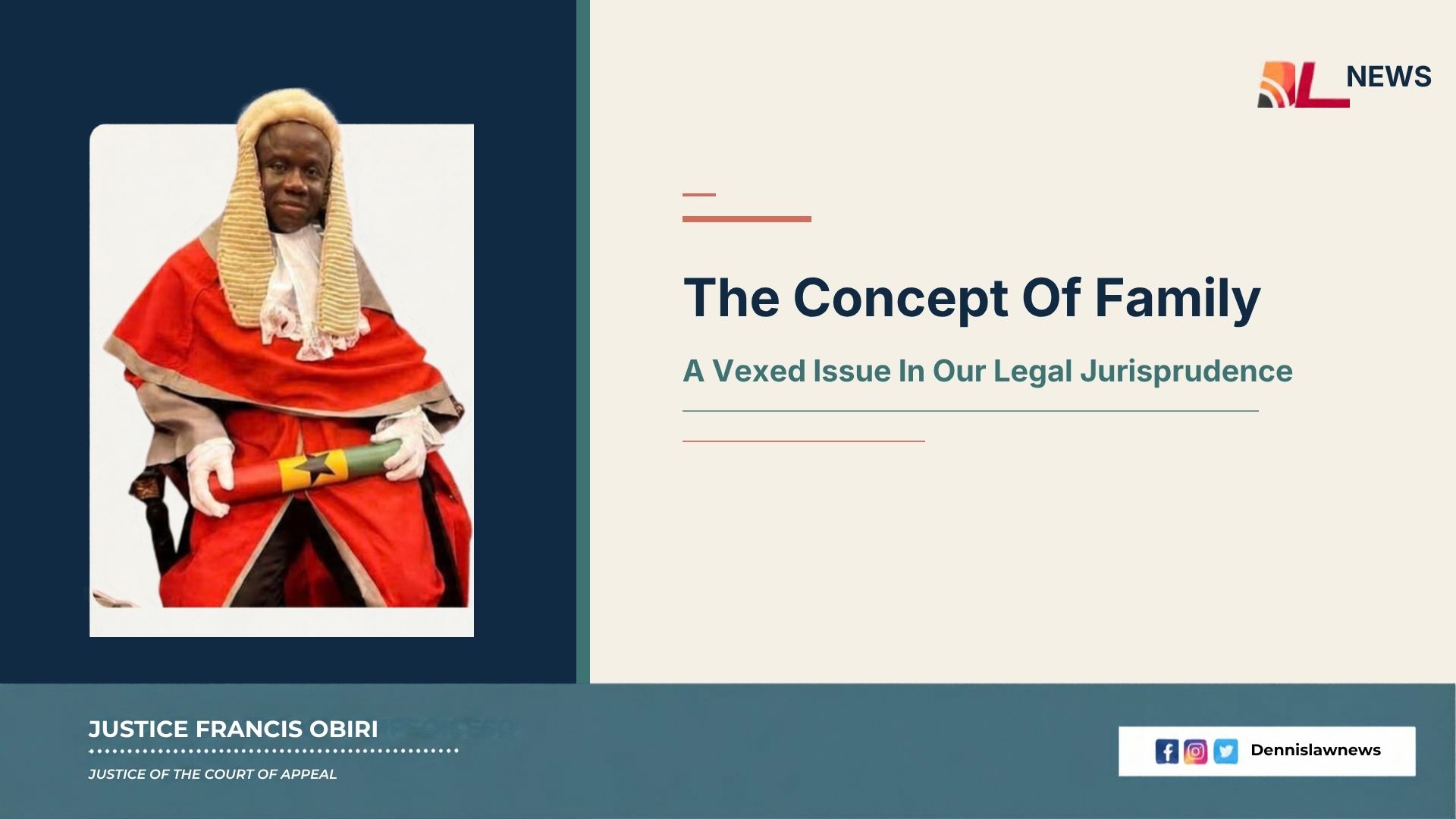
Opinion
The Concept Of Family: A Vexed Issue In Our Legal Jurisprudence
The article examines the meaning of “family” under Ghanaian customary law, including how family membership and headship are determined, and emphasizes that these questions often depend on the customs and evidence of the particular family. I...
Francis Obiri

Opinion
Klomega (no.2) v. Attorney-general, Ghana Ports and Harbours Authority and others: A missed opportunity to strengthen public financial management
The author examines the Court’s decision in Klomega and its implications for public financial management and accountability.
Nicholas Opoku