Anti-LGBTQI Bill suits:Supreme Court to deliver judgment December 18
By DL News
Published
1 min read
A seven-member bench of the apex court, led by Justice Avril Lovelace Johnson, set the date after granting lawyers representing Richard Sky permission to amend their statement of case within two days.
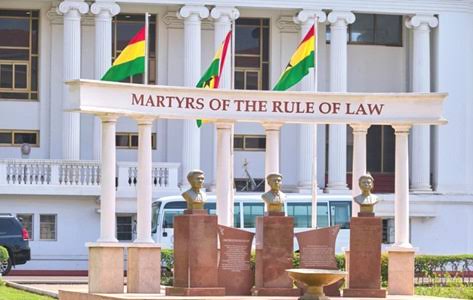
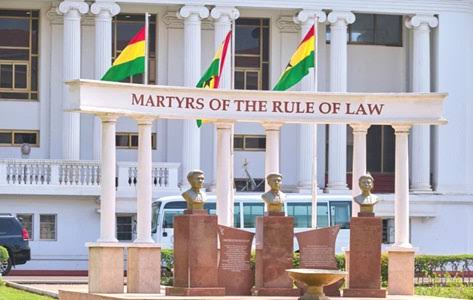
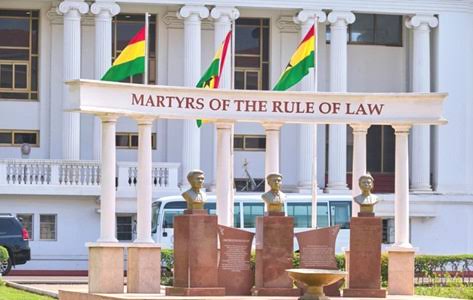
The Supreme Court has scheduled December 18, 2024, to deliver its ruling on two lawsuits challenging the constitutionality of the Human and Sexual Rights and Family Values Bill, commonly referred to as the anti-gay bill.
A seven-member bench of the apex court, led by Justice Avril Lovelace Johnson, set the date after granting lawyers representing Richard Sky permission to amend their statement of case within two days. The defendants have been instructed to file their response by November 27, 2024.
The panel includes Justices Henrietta Mensa-Bonsu, Barbara Ackah-Yensu, Samuel Asiedu, Ernest Gaewu, Yaw Asare Darko, and Richard Adjei-Frimpong.
Parliament passed the Human and Sexual Rights and Family Values Bill on February 28, 2024. The bill, introduced as a bipartisan private member’s proposal, seeks to criminalize homosexual activities and advocacy in Ghana. It prescribes a minimum jail term of three years and a maximum of five years for individuals found engaging in or promoting such activities. The legislation also prohibits funding for lesbian, gay, bisexual, transgender, and intersex (LGBTI) initiatives.
The bill, which garnered widespread support in Parliament, is awaiting presidential assent to become law.
Following the bill's passage, the plaintiff brought the matter to the Supreme Court, arguing that it violates Article 108 of the 1992 Constitution. This article stipulates that any bill with financial implications on the consolidated fund must be introduced by or on behalf of the President. Additionally, if such a bill is introduced by another entity, the Speaker of Parliament must determine and declare whether it affects the consolidated fund before the bill is tabled for discussion.
The plaintiff contends that these procedural requirements were not followed in the case of the anti-gay bill, which was introduced as a private member’s bill, thereby breaching constitutional provisions.