Clarify obligations of states in tackling climate crisis-Activist goes to African Court
By DL News
Published
Updated
2 min read
The application, led by the African Climate Platform (ACP) in partnership with Resilience40, Natural Justice, the Environmental Lawyers Collective for Africa, and supported by the Pan African Lawyers Union (PALU), was announced during proce...
In an unprecedented legal move, a coalition of African climate justice organizations has submitted a formal application to the African Court on Human and Peoples’ Rights, seeking an advisory opinion on the legal responsibilities of African governments in responding to the climate crisis.
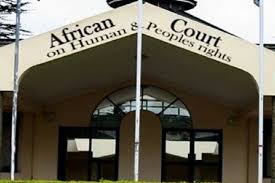
The application, led by the African Climate Platform (ACP) in partnership with Resilience40, Natural Justice, the Environmental Lawyers Collective for Africa, and supported by the Pan African Lawyers Union (PALU), was announced during proceedings held at the Court’s seat in Arusha, Tanzania.
Pioneering Climate Justice Case
This is the first time the African Court has been asked to interpret the continent’s human rights framework—specifically the African Charter on Human and Peoples’ Rights—through the lens of climate change. The petition calls on the court to provide clarity on state obligations regarding the rights to life (Article 4), health (Article 16), development (Article 22), and a healthy environment (Article 24) in the face of the worsening climate emergency.
In a joint statement, the coalition described the move as a collective call for justice and protection:
A Call for State Support
At a virtual press briefing on May 2, 2025, Lead Coordinator of the ACP, Alfred Brownwell, urged all African states to endorse the initiative, framing it not only as a legal challenge but as a moral and political imperative to defend vulnerable communities.
Africa: A Victim and a Leader
Despite contributing less than 4% of global greenhouse gas emissions, Africa remains disproportionately affected by climate disruptions, including erratic weather patterns, droughts, floods, and mounting food insecurity. The coalition noted that the petition comes at a time when urgent action is needed to avert further loss and damage to lives, livelihoods, and ecosystems.
The legal request also aligns with the African Union’s Agenda 2063, which envisions a resilient and inclusive continent built on justice and sustainability. Advocates hope that the Court’s opinion will set a powerful precedent and catalyze stronger regional legal and policy reforms.
A New Chapter in Climate Jurisprudence
The initiative has garnered widespread support from youth groups, indigenous communities, feminist movements, legal scholars, and civil society actors across the continent. Many observers have described the petition as a turning point in the evolution of African climate jurisprudence.
The coalition concluded by calling on African leaders, institutions, and international partners to back the petition and demonstrate that the continent is ready to lead a just and rights-based approach to the global climate crisis.