Judicial paralysis as Indian High Court buckles under a million-case backlog
By DL News
Published
2 min read
From criminal trials to family disputes and decades-old property battles, the court in Uttar Pradesh, India’s most populous state, has become a symbol of judicial paralysis.
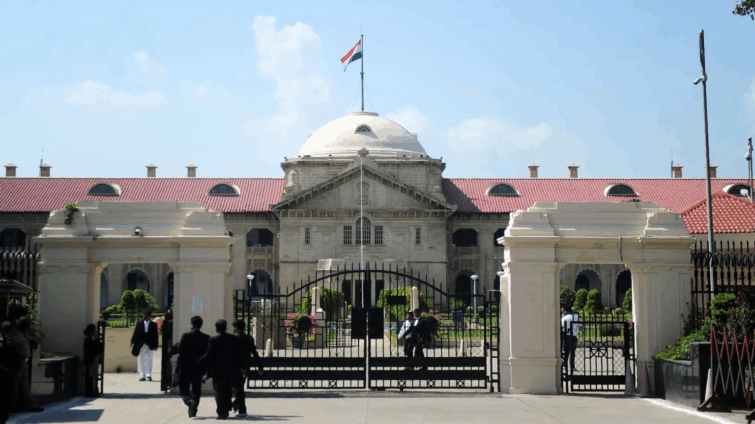
The Allahabad High Court—a storied institution once frequented by legends like Jawaharlal Nehru and future Supreme Court judges—is today overwhelmed by an unrelenting crisis: over one million pending cases.
From criminal trials to family disputes and decades-old property battles, the court in Uttar Pradesh, India’s most populous state, has become a symbol of judicial paralysis.
Take the case of Babu Ram Rajput, a 73-year-old retired government worker who has fought over a disputed plot of land since 1992. More than three decades later, his case remains unresolved.
BBC reports that the court’s sanctioned strength of 160 judges has never been fully met. Each judge juggles hundreds—sometimes thousands—of cases in a single day, leaving hearings rushed, adjourned, or postponed indefinitely.
Retired judge Amar Saran admits the backlog has forced courts into a “cut-grass approach”—issuing quick, standard orders rather than full rulings. Urgent matters like bail or eviction stays get priority, while older cases sink further into limbo.
In April, the tragedy of delay was laid bare when a rape and murder case, pending for 40 years, finally ended in conviction—by which time four of the five accused had already died.
Lawyers describe the court as “paralysed” and have petitioned for more judges and more benches. Currently, the court only has one additional bench in Lucknow, despite repeated calls since 1985 for another in western Uttar Pradesh.
Even the Supreme Court of India has raised alarms, describing the Allahabad High Court’s unpredictable listings as proof that the system has “completely collapsed.”
While new benches could help, experts argue the immediate priority is speeding up judicial appointments. Yet the process is slow, involving multiple layers of scrutiny by the high court, state, central government, and the Supreme Court.
Last year, only one judge was appointed. This year saw a slight breakthrough with 40 new judges (including 24 sworn in recently), but with nearly half of seats still vacant, the court remains critically understaffed.
Even if every seat were filled, each judge would still face more than 7,000 pending cases—a staggering load by any standard. Former Chief Justice Govind Mathur says piecemeal fixes won’t work, stressing the need for uniform national policies on how courts hear and dispose of cases.
For now, litigants like Mr. Rajput continue to wait—spending money, time, and energy on hearings that often never happen.