OSP Act not unconstitutional — Supreme Court
By DL News
Published
1 min read
The court held that, upon a true and proper interpretation of the 1992 Constitution, the authority to prosecute criminal offences is vested in the Attorney-General. It nevertheless found that section 4(2) of the OSP Act is not inconsistent...
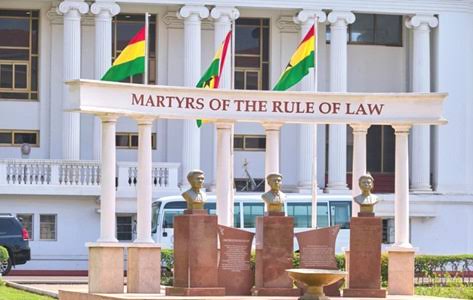
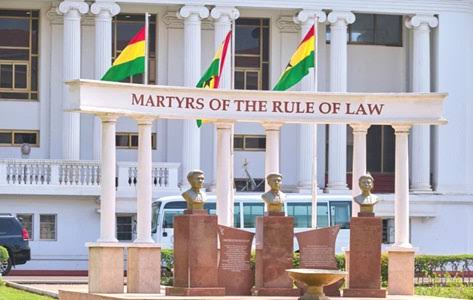
The Supreme Court has unanimously upheld the constitutionality of section 4(2) of the Office of the Special Prosecutor Act, affirming the validity of prosecutions and freezing orders undertaken by the Office of the Special Prosecutor (OSP).
The apex court delivered the decision in the case of Noah Ephraem Adamtey v Attorney-General, commonly referred to as the OSP case.
The court held that, upon a true and proper interpretation of the 1992 Constitution, the authority to prosecute criminal offences is vested in the Attorney-General. It nevertheless found that section 4(2) of the OSP Act is not inconsistent with the Constitution.
According to the court, the Attorney-General retains the constitutional power to enter a nolle prosequi and discontinue any criminal prosecution being conducted by the OSP.
The court further declared that all prosecutions initiated by the OSP remain valid, including applications and orders relating to the freezing of assets.
It also ruled that any order or decision previously issued by a court that conflicts with its judgment in the case is void.
The Supreme Court granted reliefs “a” and “h” sought by the plaintiff but dismissed the remaining reliefs. The precise scope and legal basis of the court’s conclusions are expected to be set out in its full reasons, which will be available on August 5, 2026.
The seven-member panel comprised Justices Paul Baffoe-Bonnie, Gabriel Pwamang, Avril Lovelace-Johnson, Ernest Gaewu, Henrietta Mensa-Bonsu Kulendi, Dennis Dominic Adjei Dzamefe and Samuel Kwame Adibu-Asiedu Suruubareh.