Sealing of Supreme Court Justices; Nominee calls for stakeholder consultation
By DL News
Published
Updated
2 min read
According to her, ordinary Ghanaians are the best people to decide since sovereignty and Justice emanate from them.
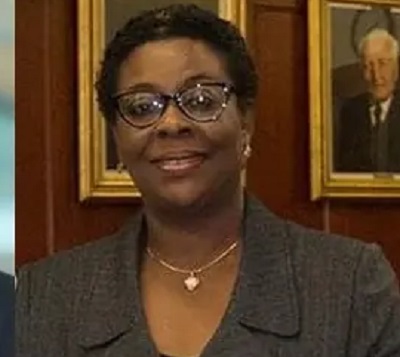
A Justice of the Court of Appeal and nominee for the Supreme Court, Justice Rosetta Sophia Bernasko Essah has called for a stakeholder consultation on the sealing of the number of Supreme Court Justices.
According to her, ordinary Ghanaians are the best people to decide since sovereignty and Justice emanate from them.
When she appeared before the Appointments Committee of Parliament today, Justice Essah recognized the transformational path of the Constitution since its passage in 1993 and the rising legal consciousness among the people relative to their heightened interests and resorts to the court.
As such, she observed that it would be very difficult for one person to decide on such a matter and thereby made a call for broader stakeholder consultation in concluding as a nation.
Earlier in the day, the vetting of the nominees had to be suspended for hours following a constitutional challenge raised by Bawku Central MP, Mahama Ayariga on the President's move to appoint additional Justices in violation of Article 128 (1) of the Constitution.
This was supported by other minority members on the committee which later culminated in a vote on the motion.
Additionally, Justice Essah mentioned that she went through all the laid down processes as a nominee of the apex court contrary to assertions that her appointer breached a step in the process.
Also, she disagreed with the 85% corruption perception of the Judiciary per the Afrobarometer survey indicating that though there are unethical conducts that have been unearthed, the most important thing is what the Judiciary is doing to gain public confidence.
Further, the nominee touched on the public criticism of the Judiciary and said that they should not cross the line by making scurrilous attacks on judges because it impairs public confidence in the court.
She also agreed with the calls for non-custodial sentences for petty offenses and called for legislation in that regard and supported the position that the weak and vulnerable in society should be protected with all the force and power necessary to protect them.