

Results for "Continuous learning"
48 results.
Opinion
‘Robo-Justice’: A Critical Examination of Artificial Intelligence (AI) Adoption in Ghana’s Legal System
Elizabeth Asantewaa Ofori and Goodnuff Appiah Larbi


Opinion
We are divorced. My wife is abroad!
In this humorous and exciting recount, the author discusses a television drama from her childhood in which a court upheld a man's argument that he was right in marrying another wife because his wife (married under the ordinance) was out of...
Bertha A. Aniagyei
Opinion
Employee Outsourcing and Its Legal Implications
This article examines the growing trend of employee outsourcing in Ghana, comparing it with permanent employment and highlighting the legal, ethical, and operational implications. It calls for clearer legislation to address the vulnerabilit...
Naa Awura Dede Osabutey
Opinion
The doctrine of continuous violation: Can it be caught by the doctrine of Estoppel and the statute of limitation?
This paper analyses the circumstances under which estoppel and the statutes of limitation cannot be invoked as shield or even as a sword to override an act or conduct of any person which contravenes the Constitution 1992.
Derick Adu-Gyamf, Esq.

Opinion
5 Reasons Lawyers Must Read Professional Development Books
This article highlights the importance of professional development (PD) books for lawyers, emphasizing how they help build complementary skills like communication, adaptability, business acumen, and mental resilience. Reading such books fos...
David A. Asiedu, Esq.
Opinion
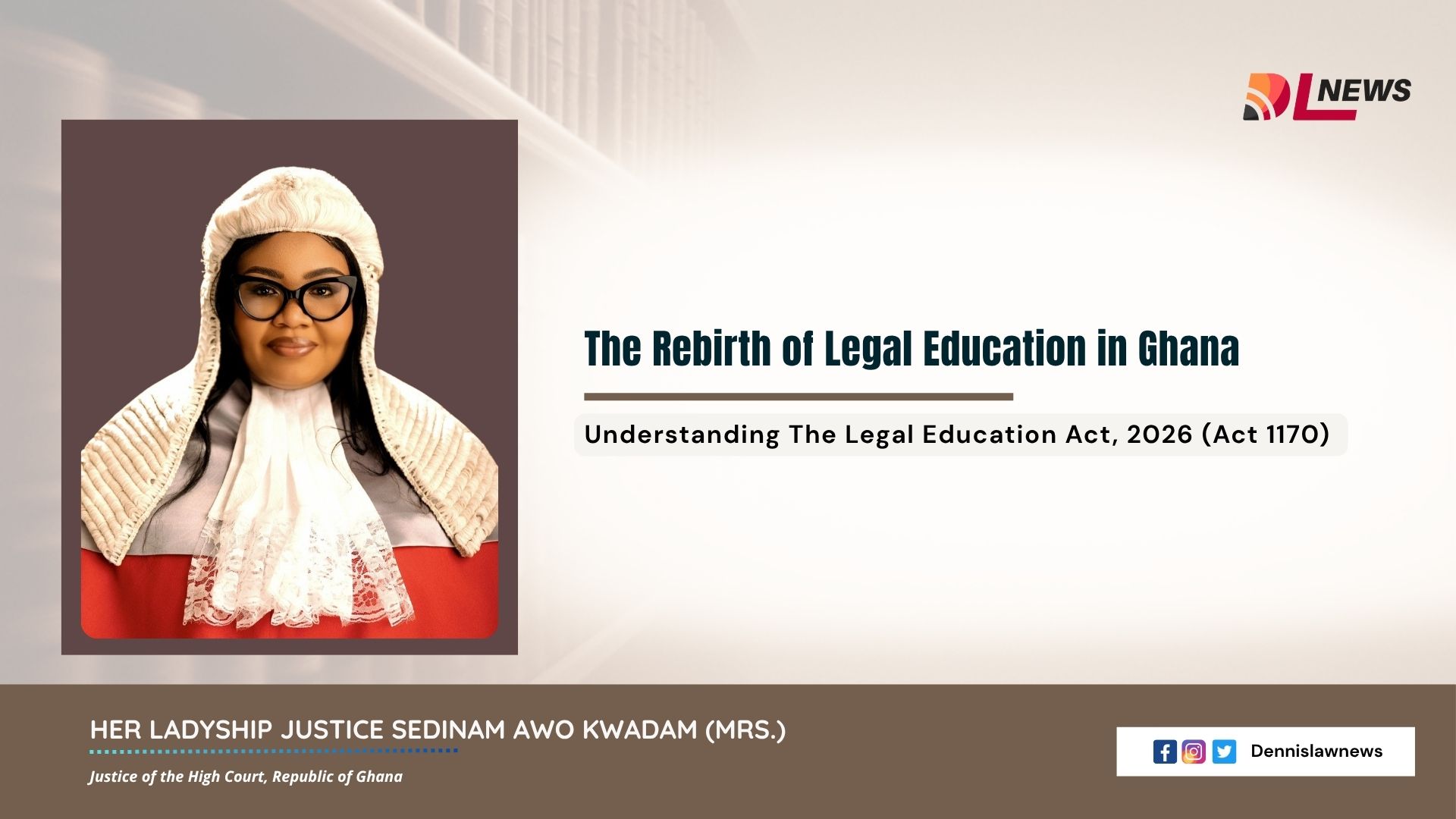
The Rebirth of Legal Education in Ghana: Understanding The Legal Education Act, 2026 (Act 1170)
The article argues that Ghana’s Legal Education Act, 2026 (Act 1170) marks a major transformation of legal education by expanding access, modernising governance, and strengthening professional training standards. It presents the Act as the...
Sedinam Awo Kwadam
Opinion
Harmonizing Customary Practices and Statutory Law: The Need to Amend Ghana’s Criminal Offences Act, 1960 (Act 29) to Recognize and Enforce Customary Offences and Sanctions Across Ghanaian Communities
This article argues that whilst Ghana’s statutory criminal law (via the Criminal Offences Act 1960 (Act 29) governs codified offences, it fails to formally recognise many customary offences and sanctions entrenched in Ghanaian communities....
Kofi Annan and Nana Adwoa Serwaa Dua-Adonteng Esq.

Opinion
Governance beyond the Cross
This article explores how Easter's spiritual lessons, particularly the leadership model of Christ, offer timeless governance principles—such as clarity of vision, diversity, transparency, and transformative leadership—essential for building...
Harold Boateng

Opinion
Need for a month’s notice before issuing writ for legal fees: Protecting the Poor’s Purse or Tyranny of Tradition?
This article seeks to examine the continuous relevance of the one month’s notice requirement in the law in the light of the 1992 Constitution and other legislations that have abandoned such requirements
Francisca Serwaa Boateng
Opinion
Rethinking Malicious Prosecution; A Discussion on the Tort of Malicious Prosecution within the Constitutional Framework of Ghana.
The article argues that the tort of malicious prosecution, as received under common law, is problematic in present-day Ghana under Article 88. The author suggests that the proper defendant in such cases should be the Attorney General, who i...
Reindorf Twumasi Ankrah, Esq.
Opinion
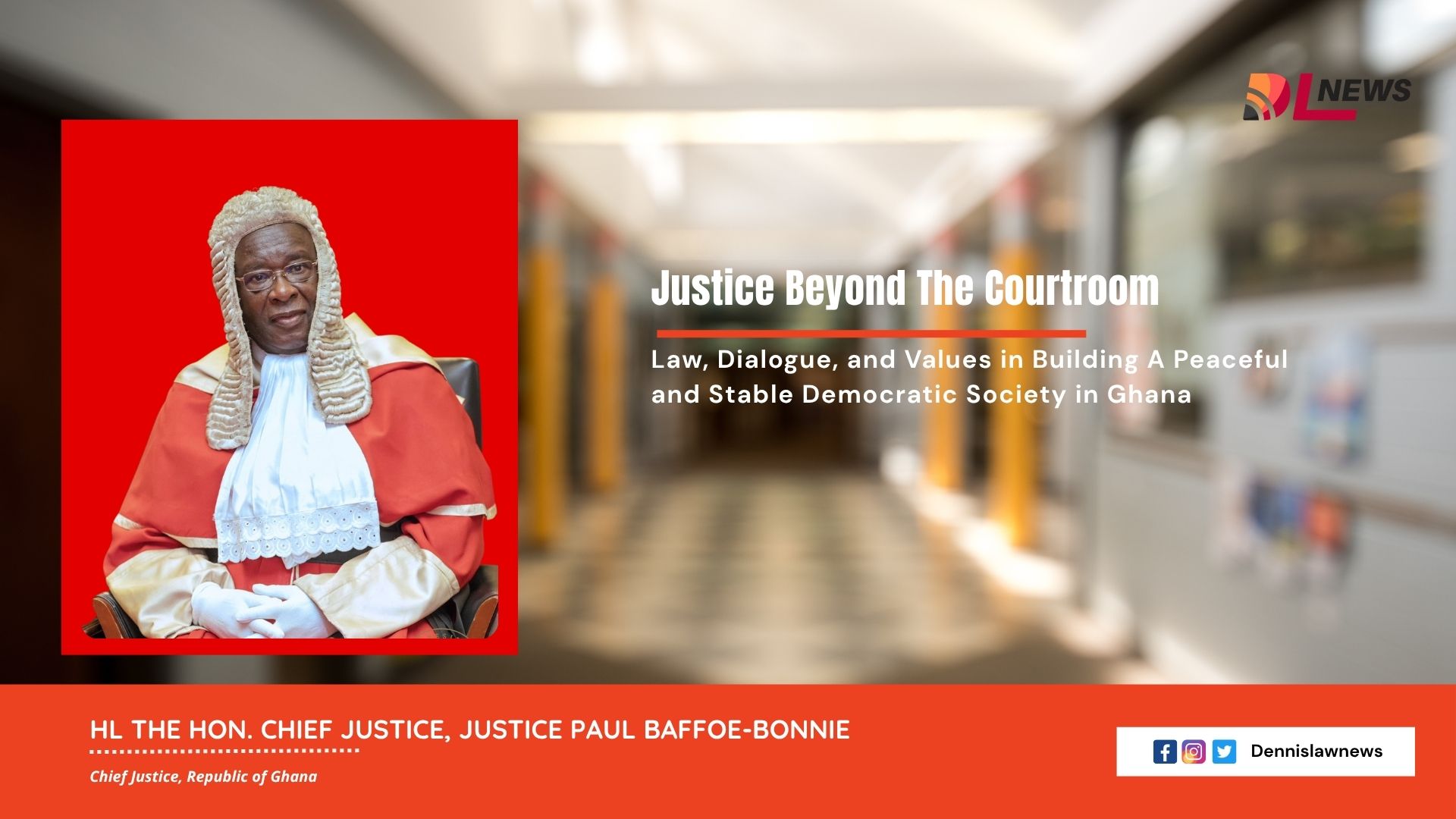
Justice Beyond The Courtroom: Law, Dialogue, and Values in Building A Peaceful and Stable Democratic Society in Ghana
This lecture argues that justice in Ghana must extend beyond courts into homes, schools, communities, and public institutions, where dialogue, fairness, and accountability are first learned and practised. It contends that a peaceful and sta...
Justice Paul Baffoe-Bonnie

Opinion
Copyright permissions granted libraries in Ghana: An exposition of Section 21 of the Copyright Act 2005 (Act 690)
Libraries are of utmost importance in our society. Its impact causes a ripple effect across generations and therefore a needed resource in our communities. However, in light of benefitting from the resources of the library, there is the nee...
Anita Natekie Nartey
Opinion
The Maze of Complexity: Unravelling the Knots of Judicial Discretion in Re Republic vrs. Speaker of Parliament and Attorney General, Ex Parte: Rockson-Nelson Etse K. Dafeamekpor Suit No. GJ/0560/2024.
The article critiques the High Court's refusal to grant a mandamus order compelling the President of Ghana to act on the Human Sexual Rights and Family Values Bill, despite its passage in Parliament. The court's decision is argued to be pre...
Nii Kpakpo Samoa Addo ESQ.
Opinion
Legal Vacation Without ‘Vacation.’; The Plight of ‘ORAL ’ Lawyers and the Infringed Rights of the Accused?
The article examines the controversy over substantive criminal trials continuing during Ghana’s legal vacation, particularly where defence lawyers have indicated that they are unavailable. It argues that although the Chief Justice has autho...
Frederick Gurah Sampson
Opinion
Ghana Cannot Arrest Its Way Out of Galamsey - A Case for Medium Scale Mining Revolution
The article argues that Ghana cannot eliminate illegal mining through arrests and military operations alone because these measures fail to address the economic and regulatory factors sustaining galamsey. It proposes a medium-scale mining fr...
Yaw Boampong Adu-Brempong
Opinion
Ghana Is Punishing Speech with a Law from 1839
The article argues that Ghana’s continued use of criminal offences such as “offensive conduct” and “publication of false news” undermines constitutional free speech protections and revives colonial-era tools of speech control. It also criti...
Martin Waana-Ang
Opinion
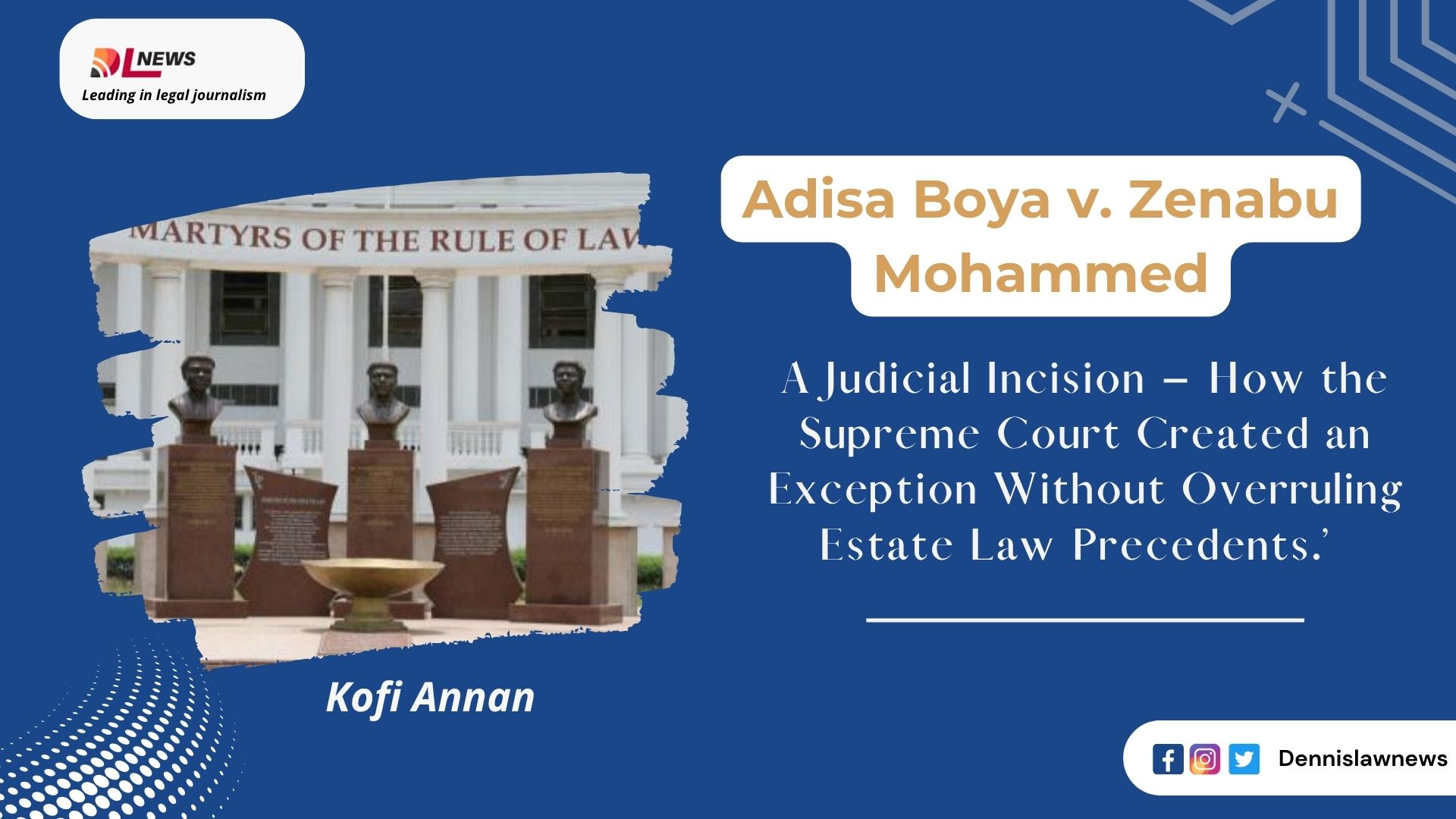
Adisa Boya v. Zenabu Mohammed: A Judicial Incision – How the Supreme Court Created an Exception Without Overruling Estate Law Precedents.
An analysis of Adisa Boya v. Zenabu Mohammed, where the Supreme Court carved out an exception to estate law by allowing intestate heirs to sue without Letters of Administration, balancing legal formality with justice.
Kofi Annan