
Results for "U.S. Department of State"
122 results.
Opinion
The Ineffectiveness of Criminal Prosecution in Tax Recovery in Ghana: Insights from the Case of The Republic v. Warren Oil Company Limited
Rebecca Eduafo-Abraham, Esq.
Opinion
Vehicles Do Not Commit Crimes: Registered-Owner Liability, the Presumption of Innocence, and the Legality of TRAFFITECH-GH
The article challenges the legality of Ghana’s TRAFFITECH-GH system, arguing that registered vehicle owners cannot automatically be held criminally liable for traffic offences committed by others. It contends that such liability violates th...
Albert Gyamfi Esq.
Opinion
‘Robo-Justice’: A Critical Examination of Artificial Intelligence (AI) Adoption in Ghana’s Legal System
The article explores how AI is reshaping Ghana's legal system, emphasizing both its efficiency benefits and the ethical and procedural risks it poses. It concludes that while AI can aid legal processes, it cannot replace human judgment, and...
Elizabeth Asantewaa Ofori and Goodnuff Appiah Larbi
Opinion
Default Judgment and the Doctrine of Estoppel Per Rem Judicata; A Legal Conundrum in Order 10 Rule 6 & Order 13 Rule 6(2) of the High Court (Civil Procedure) Rules, 2004 (C. I 47)
Default judgement is an interlocutory application. It is not a final judgement in its strict sense. Any anything default is not final in a legal sense. Res judicata on the other hand is mostly applied when decisions of the courts are final....
Derick Adu-Gyamfi
Opinion
Private Employment Agencies in Ghana: Opportunities, Legal Frameworks and How to Avoid Scams
Private employment agencies in Ghana offer valuable job placement services but are also a target zone for scams. This article explores their legal regulation, benefits, and how job seekers can protect themselves.
Naa Awura Dede Osabutey
Opinion
Incorporating Companies in Ghana: Legal Requirements for Companies Limited by Shares and Companies Limited by Guarantee
This article provides a detailed analysis of the legal and procedural framework for incorporating companies in Ghana, particularly companies limited by shares and by guarantee. It also examines foreign investment regulations, statutory requ...
Elizabeth Asantewaa Ofori and Rosebella Nueki Thompson
Opinion
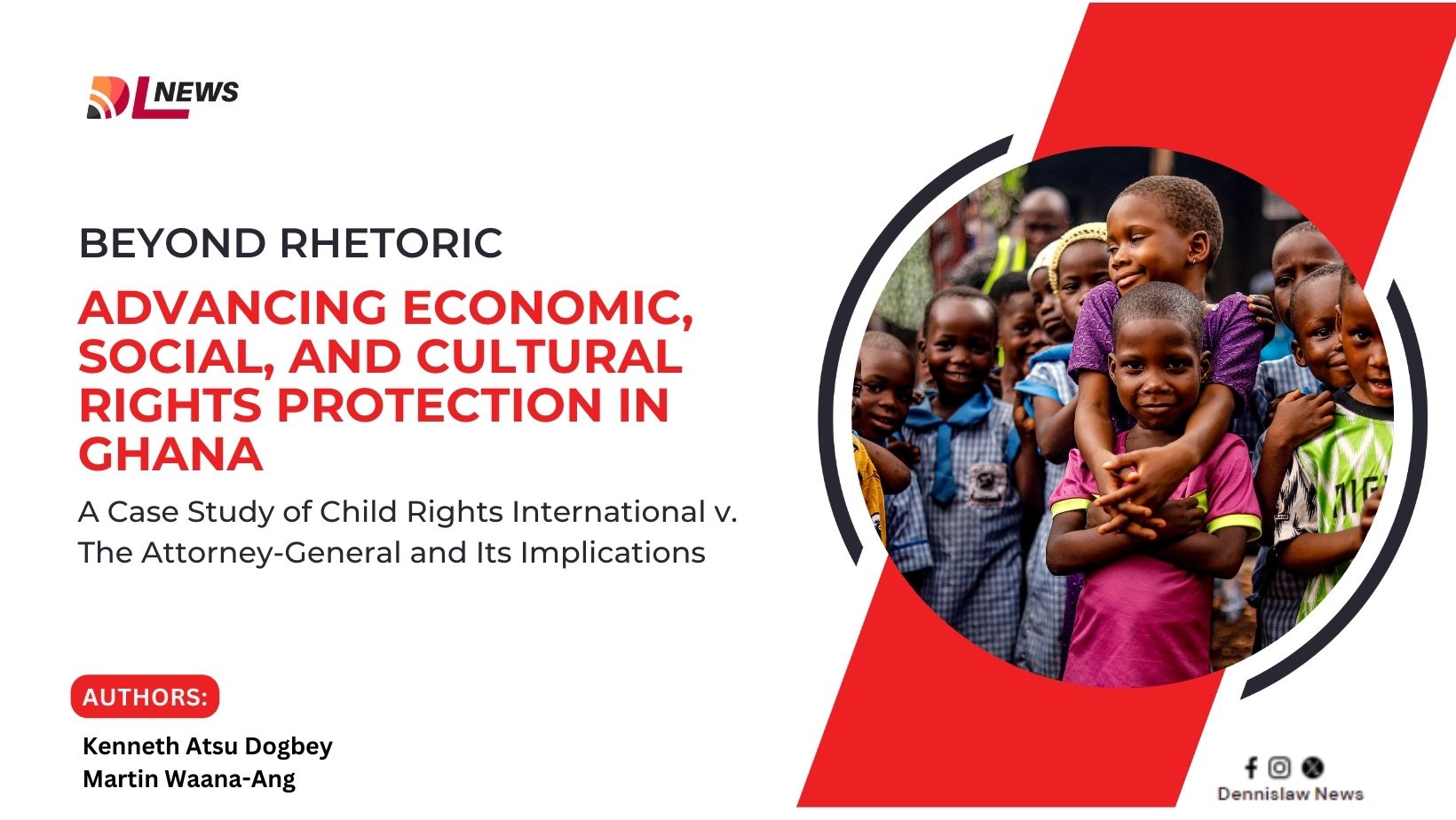
Beyond Rhetoric: Advancing Economic, Social, and Cultural Rights Protection in Ghana: A Case Study of Child Rights International v. The Attorney-General and Its Implications
This article examines the Supreme Court of Ghana's decision in Child Rights International v. Attorney-General, focusing on its implications for enforcing Economic, Social, and Cultural Rights (ESCRs). The paper explores the importance of st...
Kenneth Atsu Dogbey & Martin Waana-Ang

Opinion
IGP’s affront to the British High Commissioner: Why it is wrong?
An agent of government and for that matter, a State security agent or the Police Service of a State is not a party to the Vienna Convention on Diplomatic Relations of 18 April 1961, which universally governs diplomatic relations among Sate-...
Oswald K. Seneadza
Opinion
‘Article 71’ Office Holders and Retiring Emoluments, When Ex Gratia Meets Nemo Dat Quod Non Habet, Russia-Ukraine War, and during Debt Exchange – Reflections of a Citizen, Not a Spectator!!!
The article explores the subject of ex gratia paid to Article 71 office holders and questions its relevance under Ghana's socioeconomic situation and the legal principle of Nemo Dat Quod Non Habet
Frederick Gurah Sampson
Opinion
Harmonizing Customary Practices and Statutory Law: The Need to Amend Ghana’s Criminal Offences Act, 1960 (Act 29) to Recognize and Enforce Customary Offences and Sanctions Across Ghanaian Communities
This article argues that whilst Ghana’s statutory criminal law (via the Criminal Offences Act 1960 (Act 29) governs codified offences, it fails to formally recognise many customary offences and sanctions entrenched in Ghanaian communities....
Kofi Annan and Nana Adwoa Serwaa Dua-Adonteng Esq.
Opinion
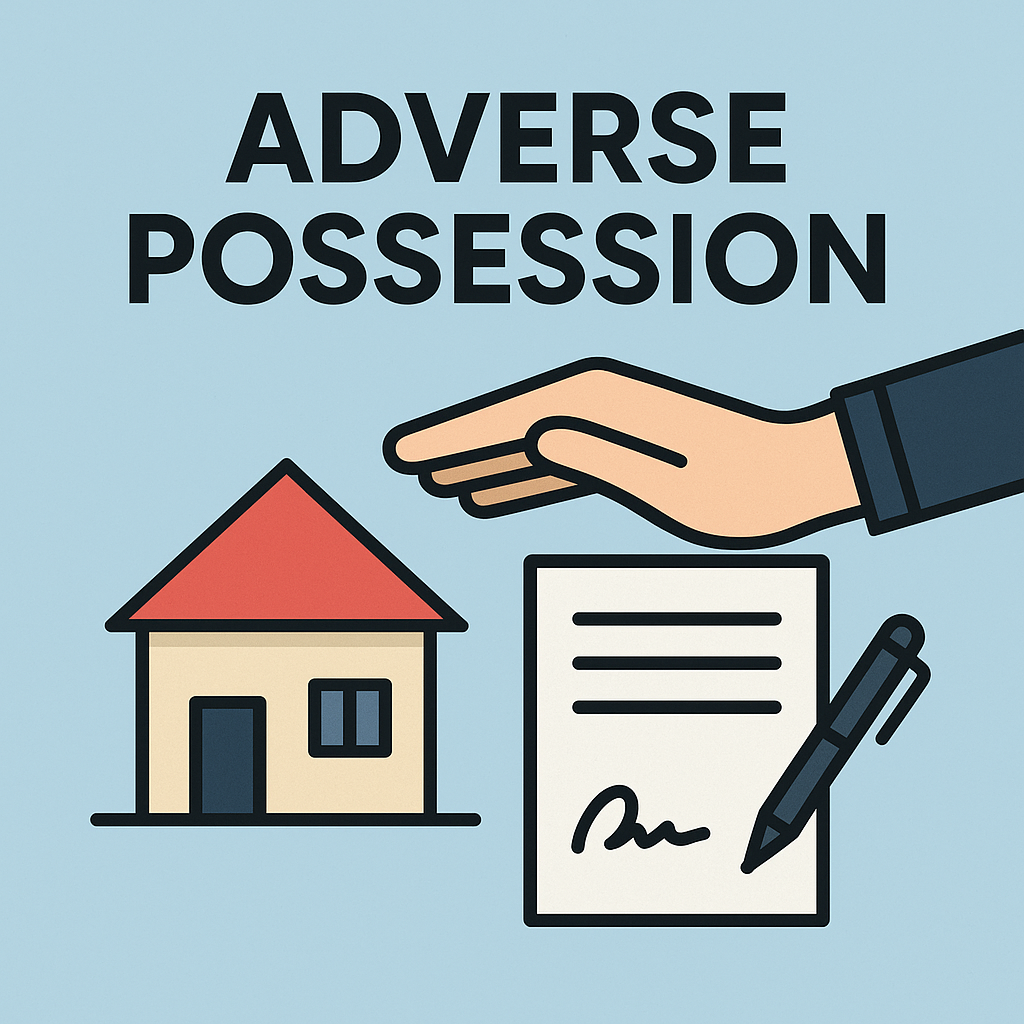
The Moral Nuances of Adverse Possession in Ghana
This article explores the complex moral, legal, religious, and philosophical debates surrounding adverse possession, emphasizing its declining social approval and relevance in Ghana’s modern property system. It calls for reform or abolition...
Justice Alexander Osei Tutu

Opinion
Allodial interest under the Land Act, 2020: Some thoughts
The article discusses the position and seeming challenges with allodial interests under Ghana's Land Act, 2020
Justice Alexander Osei Tutu
Opinion
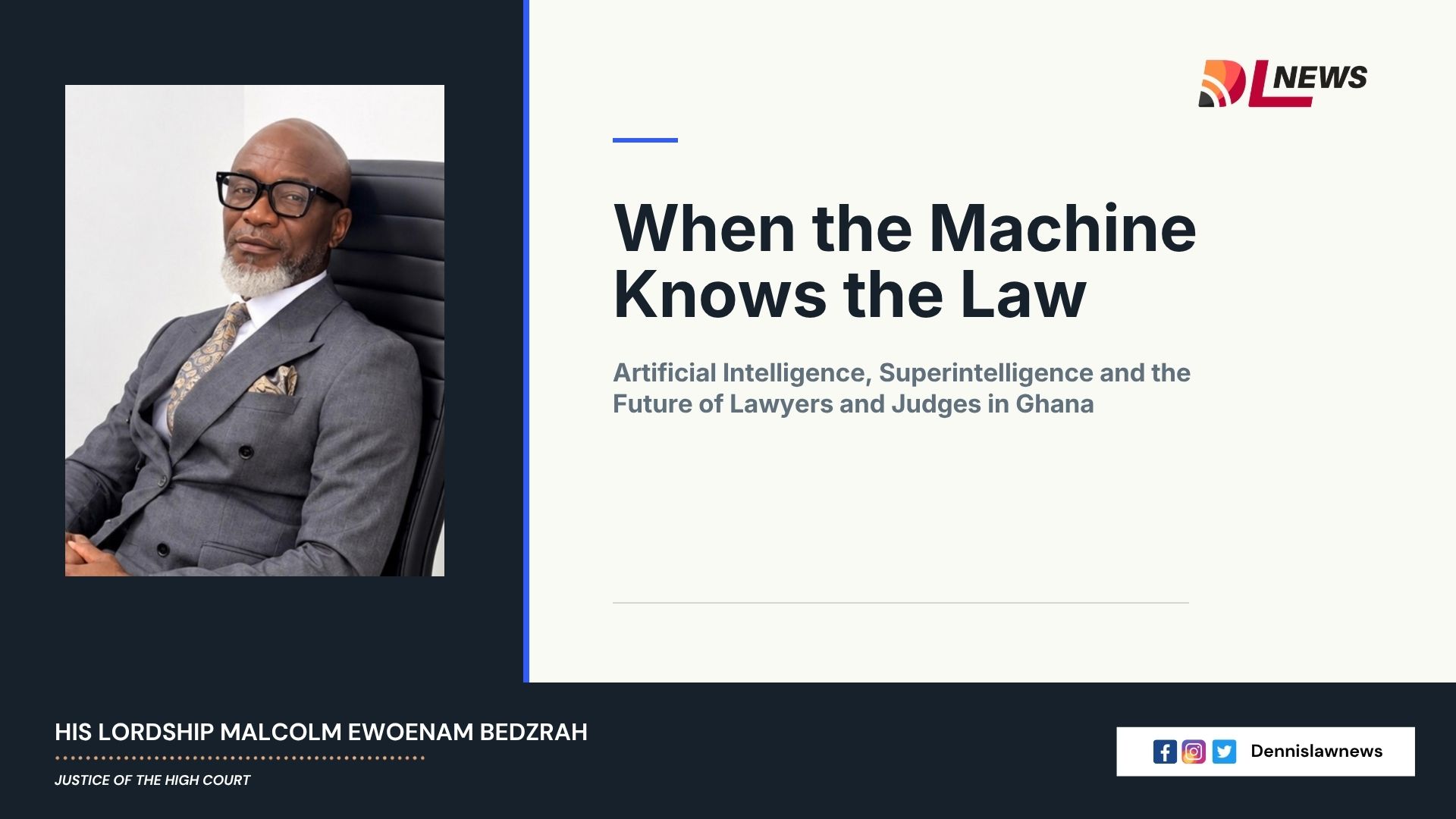
When the Machine Knows the Law: Artificial Intelligence, Superintelligence and the Future of Lawyers and Judges in Ghana
This article examines how artificial intelligence could transform Ghana’s legal profession and judiciary, particularly legal practice, employment, judicial decision-making and access to justice. It advocates responsible AI integration while...
HH Malcolm Bedzrah
Opinion
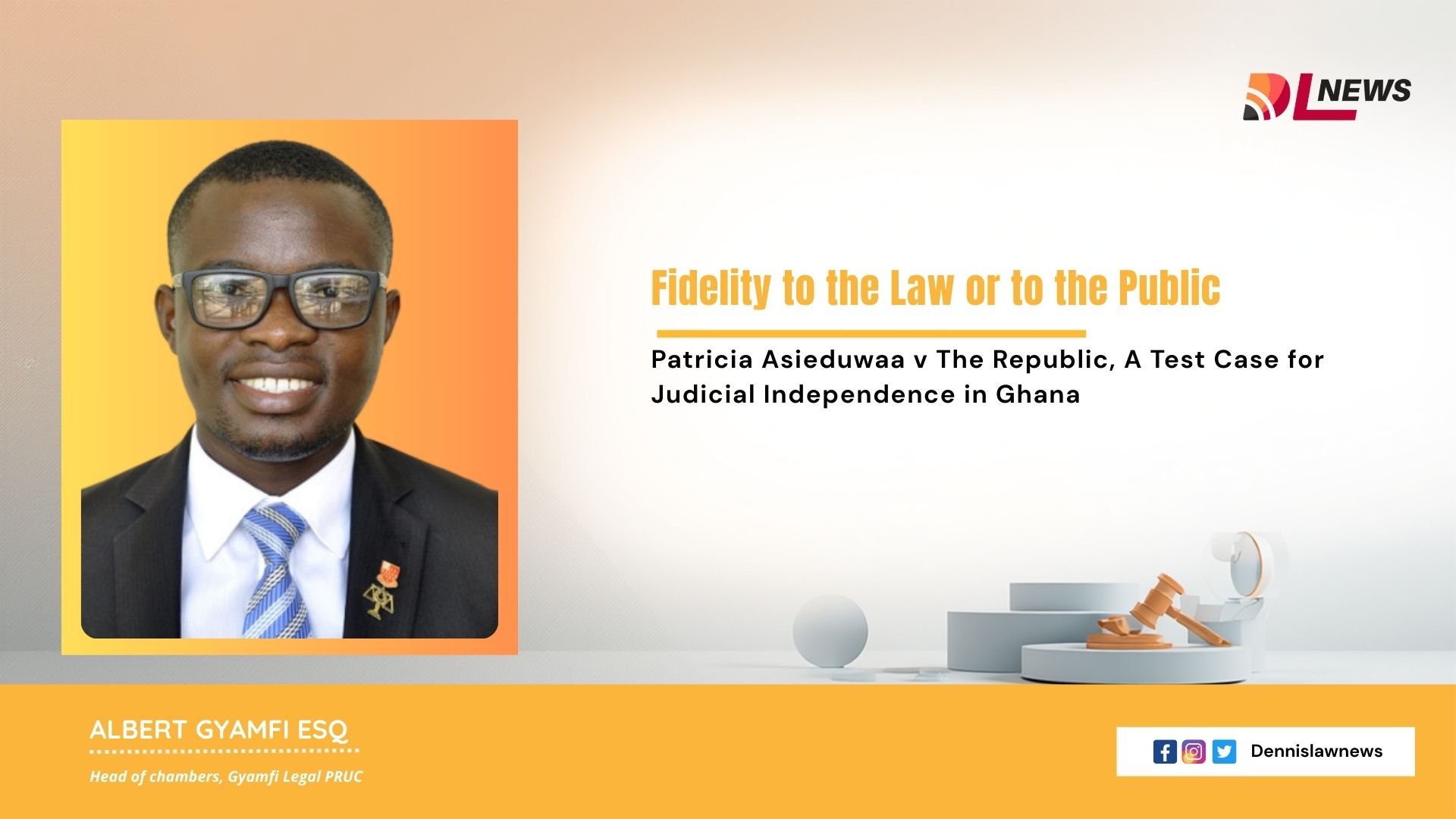
Fidelity to the Law or to the Public: Patricia Asieduwaa v The Republic, A Test Case for Judicial Independence in Ghana
This article argues that judicial independence requires unwavering fidelity to the law rather than public sentiment, especially in high-profile criminal cases. It defends the appellate reduction of Patricia Asieduwaa’s sentence as legally s...
Albert Gyamfi Esq.
Opinion
Plea bargaining in Ghana: The Inception of Act 1079
This article focuses on what plea bargaining is, the position of the Ghanaian criminal law on plea bargaining prior to Act 1079, the enactment of Act 1079, the benefits of plea bargaining, proposed implementation for plea bargaining as well...
Nana Ama Dankwaa Kessey Adinkrah
Opinion
Law and Society: Are We Playing Ostrich with the Current Realities of the Family System and Confusion Associated with Funerals in Ghanaian Communities?
This article critiques the dissonance between Ghana's evolving nuclear family dynamics and outdated customary laws governing funerals and inheritance. It advocates for legislative reform to grant nuclear families legal authority over burial...
Afia Serwah Asare-Botwe
Opinion
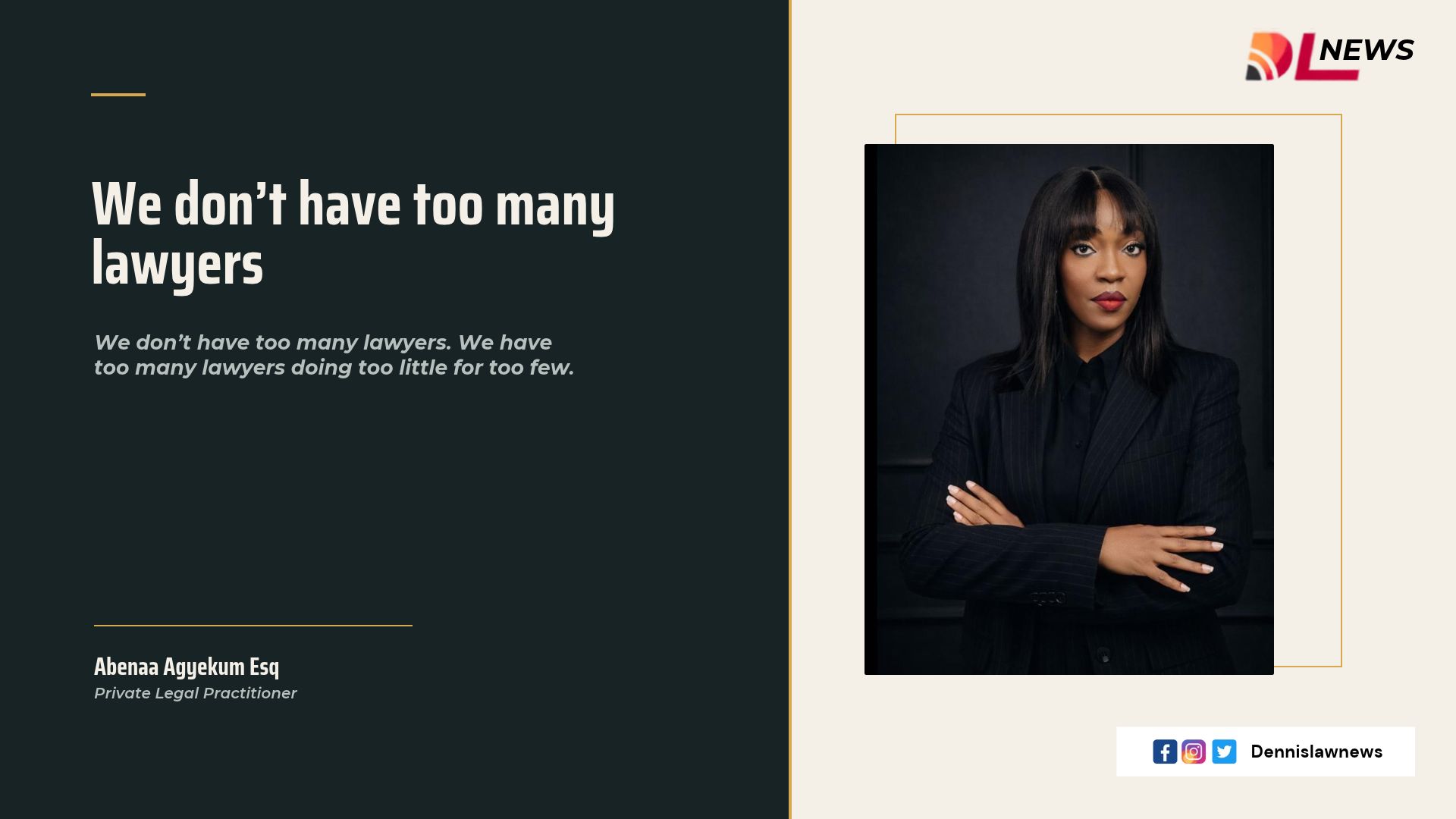
We don’t have too many lawyers. We have too many lawyers doing too little for too few.
Ghana does not have too many lawyers; rather, legal services are concentrated in urban areas, leaving many communities and businesses underserved. Lawyers must expand access to justice through legal education, proactive advisory services, b...
Abenaa Agyekum Esq