“Find a study method that works for you” – Newly called lawyer, award winner to law students
By DL News
Published
3 min read
In an interview with Dennislaw News after his recognition, the award winner explained that although hard work is essential to academic success, students must identify learning approaches that help them understand and retain what they study.
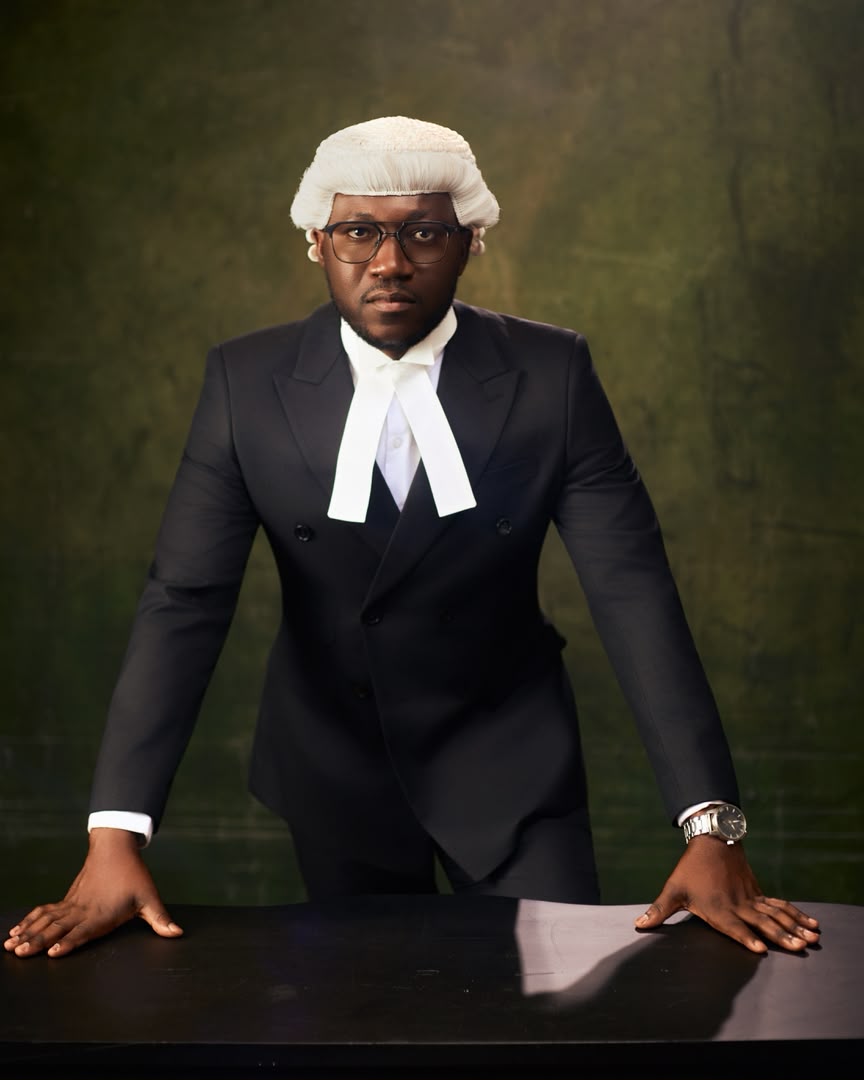
Sylvester Leslie Ankomah-Oware, ESQ., who emerged as the Best Student in Interpretation of Deeds and Statutes at the 2026 Call to the Bar, has urged law students to adopt study methods that suit their individual learning abilities rather than simply following the approaches of others.
He said achieving academic excellence at the Ghana School of Law requires consistency, discipline, determination, and a good understanding of one's personal learning style.
Ankomah-Oware was among the outstanding students recognized during the Call to the Bar ceremony held on October 9, 2026, which saw approximately 1,568 newly qualified lawyers admitted to the Ghana Bar.
In an interview with Dennislaw News after his recognition, the award winner explained that although hard work is essential to academic success, students must identify learning approaches that help them understand and retain what they study.
"My core advice is simple: Study! Study!! Study!!! Most importantly, discover and stick to a study method that genuinely works for you. Legal education is not one-size fits all," he stated.
Sharing his personal experience, Ankomah-Oware revealed that he prefers studying independently because group discussions do not particularly suit his learning style.
He, however, acknowledged that group study could be effective for other students, stressing that understanding one's strengths and weaknesses is more important than adopting popular study practices.
The newly called lawyer attributed his academic success largely to consistent class attendance, independent preparation of comprehensive notes and extensive reading beyond lecture materials.
He explained that he made a conscious effort to cross-check his lecture notes with textbooks, incorporating important points that may not have been covered during classroom discussions.
"Consistency in class attendance formed the bedrock of my learning. Rather than relying solely on lectures, I took direct ownership of my preparation by making my own comprehensive notes," he recounted.
Interestingly, despite emerging as the best student in the course, Ankomah-Oware disclosed that winning an academic award had never been among his expectations when he first enrolled at the Ghana School of Law.
Like many of his colleagues, his primary objective was to pass all his examinations, avoid supplementary papers and successfully complete his professional legal education.
"When I first walked through the gates of the Ghana School of Law, winning a prestigious academic prize was not on my radar," he admitted.
He described the eventual recognition as an unexpected but fulfilling reward for the consistency and commitment he maintained throughout his studies.
Reflecting on the achievement, Ankomah-Oware expressed gratitude for the honour, particularly because Interpretation of Deeds and Statutes is a foundational subject in legal practice.
"Being recognized as the Best Student in Interpretation of Deeds and Statutes is a profound honor. Beyond the accolade itself, there is a deep sense of personal fulfillment in knowing that my efforts culminated in an award for a course so foundational to legal practice," he said.
However, the award winner believes the recognition comes with responsibilities that extend beyond academic achievement.
He acknowledged that the distinction places him in a position where colleagues and mentors may expect him to demonstrate the same level of excellence in his professional career.
For him, the challenge now is to translate his academic achievement into diligence, precision and sound legal analysis in actual legal practice.
"The award is not merely a reflection of past academic success, but a commitment to future professional excellence," he emphasised.
Turning his attention to the challenges of professional legal education, Ankomah-Oware cautioned students against complacency, particularly during Part Two of the programme, which he described as especially demanding.
He encouraged students to approach every subject with equal seriousness and remain committed to their studies, regardless of the challenges they encounter.
He also acknowledged the personal sacrifices associated with legal education, including the possibility of losing touch with friends because of demanding academic schedules.
Nevertheless, he urged students not to allow such challenges to discourage them from pursuing their ambitions.
He further advised aspiring lawyers to maintain a balance between academic work, prayer and personal well-being, while making time to celebrate their achievements along the way.
"Do not let the pressure or difficulty discourage you. Give your education your absolute all, stay resilient, and success will surely follow," he urged.
For Ankomah-Oware, the recognition at the 2026 Call to the Bar represents not only the successful completion of his professional legal education but also the beginning of a career in which he hopes to uphold the high standards associated with his academic achievement.