420 courthouses and 390 bungalows given to Judiciary in a century-CJ
By DL News
Published
1 min read
According to her, the organ has received over 800 buildings cumulatively from the various governments over a hundred years. These include 420 courthouses and 390 bungalows and apartments.
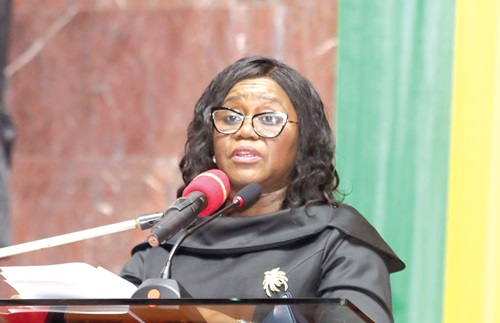
The Chief Justice, Her Ladyship Gertrude Torkornoo, has taken stock of the judicial organ's resource strength and capacity as the new legal year commences.
According to her, the organ has received over 800 buildings from various governments over a hundred years. These include 420 courthouses and 390 bungalows and apartments.
Addressing judges at the 43rd Conference of the Association of Magistrates and Judges(AMJG) in Accra, Her Ladyship noted that despite these facilities, more judges are still faced with accommodation challenges when transferred to other parts of the country.
She said that this situation imposes a financial burden on the judiciary and also a security threat to the lives of these Judges.
Her Ladyship further thanked the government for the various new projects handed over to them in the last few years and extended the same to the land owners who generously gave up those land for the projects.
The Chief Justice said however that the Judiciary is confronted with the debilitating issue of resources to maintain all other courthouses and bungalows including the new ones and thus called for careful planning for the effective repair and maintenance of the facilities.
Security of Judges
Justice Torkornoo revealed that in the next few years, the cycle of making all courts and bungalows safe and convenient would have been completed and fit for purpose.
She also noted that the long-standing uncompleted court building in Wa has been handed over for the resumption of construction works funded by the Judiciary’s internal funds.
Again Her Ladyship added that upon a successful engagement with the DACF, the construction of the Cape Coast Court Complex is expected to be commenced this year.
Paperless court
The Chief Justice further indicated that work has commenced on a stand-alone building for the Court of Appeal and Supreme Court Registries in preparation for the operation of a paperless Registry. When completed, this will allow for virtual hearings by these superior courts.