Accelerate resolution of chieftaincy disputes-legal counsels urged
By DL News
Published
1 min read
This call to action came during a two-day capacity-building workshop held at the Institute of Local Government Studies in Accra, where 16 legal counsels from across the country gathered to sharpen their skills in dispute resolution and trad...
Legal counsels from Ghana’s National and Regional Houses of Chiefs have been urged to act swiftly in resolving chieftaincy disputes that have long disrupted local governance and community life.
This call to action came during a two-day capacity-building workshop held at the Institute of Local Government Studies in Accra, where 16 legal counsels from across the country gathered to sharpen their skills in dispute resolution and traditional justice administration.
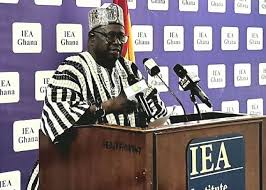
Delivering a keynote address, the Minister for Local Government, Decentralization, and Religious Affairs, Ahmed Ibrahim, emphasized that unresolved chieftaincy matters not only erode peace but also impose a heavy burden on national resources.
In a noteworthy update, the minister revealed that the president had approved improved economic conditions of service for chiefs, set to take effect by the third quarter of the year. He stressed that these benefits come with a greater expectation for traditional authorities to play their part in maintaining peace.
The minister’s sentiments were echoed by Justice Amadu Tanko, director of the Judicial Training Institute, who was frank in his assessment. He questioned why certain longstanding disputes—particularly in the Greater Accra Region—remain unresolved despite being before the Regional House of Chiefs for years.
Justice Tanko challenged the Judicial Committee of the Greater Accra Regional House of Chiefs to adopt a more decisive approach and move away from what he described as “piecemeal” adjudication of cases.
Representing the legal counsels, Alex Obeng Asante, legal advisor to the National House of Chiefs, assured the public of their commitment to the task.
The workshop was more than a routine training; it served as a reminder that chieftaincy disputes, if left to fester, undermine community development, divide families, and weaken governance at the grassroots level.