Be world-class lawyers- AG Dame charges African colleagues
By DL News
Published
2 min read
He emphasized the importance of lawyers participating in an interconnected global community, capable of addressing modern disputes, many of which involve cross-border issues due to the growing effects of globalization and the need for more...
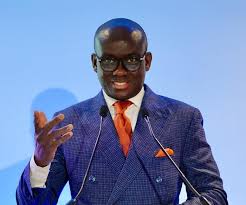
The Attorney General and Minister for Justice, Godfred Yeboah Dame, has urged African lawyers to elevate their expertise to global standards.
He emphasized the importance of lawyers participating in an interconnected global community, capable of addressing modern disputes, many of which involve cross-border issues due to the growing effects of globalization and the need for more unified legal frameworks.
He also highlighted Africa's need to reassess its traditional dispute resolution practices, considering its evolving landscape marked by democratic consolidation, industrial growth, infrastructure development, and other recent changes.
Dame noted that Africa’s approach to litigation and conflict resolution has changed significantly over the years. While disputes were once settled by family or tribal leaders, contemporary legal practitioners now have access to more sophisticated mechanisms for conflict resolution that should be actively utilized.
He pointed out that Africa’s rapidly expanding business environment requires alternative dispute resolution systems, such as arbitration, to address the growing complexity of legal conflicts.
These remarks were delivered during his keynote speech at the International Bar Association Conference (African Regional Forum) Lunch in 2024, held in Mexico City.
He also called for reforms to licensing practices that limit lawyers' ability to practice in different jurisdictions, advocating for easier cross-border legal representation. “If our legal practice is truly international, we must remove the barriers preventing lawyers from appearing in foreign courts,” he said.
While acknowledging the diverse methods used to train lawyers across Africa, Dame proposed that a shared understanding be developed. He suggested that state counsel or constitutionally empowered lawyers should be allowed to represent their nations in disputes abroad without the restrictions of obtaining additional licenses.
Mr. Dame also discussed the implications of the African Continental Free Trade Area (AfCFTA) Dispute Settlement Body. He noted that this new structure could potentially conflict with established national systems for resolving disputes and raise concerns about national sovereignty.
He urged the need for targeted training to help African lawyers understand the benefits and complexities of working within this regional integration framework.
Finally, the AG emphasized that the success of AfCFTA's dispute resolution mechanisms would depend not only on strong political will but also on the support and collaboration of legal professionals across the continent and thus called for collective efforts to ensure the effectiveness of the dispute settlement body.