CJ Torkornoo's suspension; Bar Council, Commonwealth lawyers demand and matters arising
By DL News
Published
2 min read
In a statement issued on Friday, August 15, Dr. Ayine emphasized that the suspension is firmly rooted in Article 146 of the 1992 Constitution. He explained that the process will remain in force until an independent committee chaired by a Su...
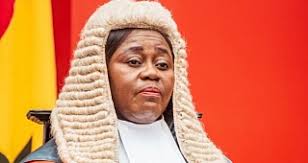
Ghana’s Attorney General, Dr. Dominic Ayine, has dismissed concerns raised by the Bar Council of England and Wales (BCEW) and the Commonwealth Lawyers Association (CLA) over the suspension of Chief Justice Gertrude Torkornoo, describing their comments as misinformed and inconsistent with Ghana’s constitutional framework.
Government’s Position
In a statement issued on Friday, August 15, Dr. Ayine emphasized that the suspension is firmly rooted in Article 146 of the 1992 Constitution. He explained that the process will remain in force until an independent committee chaired by a Supreme Court judge concludes its inquiry.
According to him, the mechanism was established to protect, not undermine, judicial independence and ensure that no branch of government can interfere with the committee’s work. “The President has no power to influence the outcome,” he stressed, adding that the Executive must wait for the final report before any action can be taken.
International Concern
On Thursday, August 14, the BCEW and CLA released a joint statement urging the Ghanaian government to reinstate Justice Torkornoo. They warned that her continued suspension posed a grave risk to judicial independence and fell short of both constitutional and international standards.
The groups cited the Commonwealth Charter and the Latimer House Principles, which demand due process, fairness, and impartiality in judicial disciplinary proceedings. They highlighted procedural concerns, including
Petitioners testifying through proxies instead of in person.
Perceived disregard for the Chief Justice’s legal representation.
Prolonged delays in completing the inquiry.
According to the organisations, these lapses undermined the credibility of the process and appeared to contradict Article 146, which restricts suspension or removal of a judge to cases of proven misbehavior, incompetence, or infirmity.
Labeling the situation a “prima facie constitutional breach,” the BCEW and CLA called for Torkornoo’s reinstatement, the establishment of clear timelines for the inquiry, and full respect for her legal team’s participation.
Background to the Suspension
Justice Torkornoo was suspended on April 22, 2025, after three separate petitions alleged misconduct and incompetence. Following consultations with the Council of State, the President found a prima facie case and triggered the Article 146 process.
Since then, the Chief Justice has mounted legal challenges in both the High Court and Supreme Court, but these were dismissed for lack of merit. She has also filed a petition before the ECOWAS Court of Justice, where the government is defending its position.
Attorney General’s Response
Dr. Ayine argued that the BCEW and CLA’s criticisms merely echoed points already rejected by Ghana’s own courts. He said the foreign bodies had “rushed to judgment” without fully studying Ghana’s constitutional provisions or the facts surrounding the suspension.
Calling their intervention “ironic,” he underscored that Ghana’s judicial independence was being safeguarded through the very process they criticized.