Did Ghana abstain from LGBTQI vote at the UN?-Foreign Minister explains
By DL News
Published
Updated
1 min read
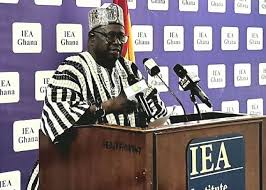
Speaking at the official commissioning of Ghana’s new representative to UNESCO, the minister clarified that the UN vote on July 7, 2025, had nothing to do with legalizing or endorsing homosexuality.
Foreign Affairs Minister Samuel Okudzeto Ablakwa has pushed back against what he calls false and misleading claims suggesting that Ghana compromised its values by abstaining from a vote on a homosexuality-related motion at the United Nations.
Speaking at the official commissioning of Ghana’s new representative to UNESCO, the minister clarified that the UN vote on July 7, 2025, had nothing to do with legalizing or endorsing homosexuality.
“The motion before the UN was not a vote on LGBTQ+ rights. It was purely about renewing the mandate of certain independent experts working with the Human Rights Council,” he said.
Ablakwa was emphatic in his statement: “Let’s get it clear—there was no vote on support for LGBTQ+ for which Ghana abstained.”
He explained that Ghana’s abstention was informed by the nature of the resolution, which broadly dealt with human rights protections, including measures against violence targeting women and individuals of various sexual orientations.
According to him, this position aligns with Ghana’s longstanding commitment to defending fundamental human rights, not with endorsing any controversial cultural or political agenda.
“Our ambassador in Geneva has filed a full report explaining the context,” Ablakwa noted. “The decision to abstain was a principled one—not an endorsement of homosexuality, but a stand against violence and discrimination, especially against women.”
The minister’s comments follow mounting criticism from certain groups and commentators who argue the government showed weakness or indecision on Ghana’s cultural norms and values.
Ablakwa urged the public to seek facts before jumping to conclusions, adding that misrepresentation of Ghana’s foreign policy stance could damage the country's international reputation and undermine its diplomatic integrity.