Enforce air quality laws-Environmental health officers charged
By DL News
Published
2 min read
This mandate was outlined during a training session hosted by the Green Africa Youth Organisation (GAYO) as part of its Zero Waste Cities Project.
Environmental health officers in the Greater Accra Region have been charged with implementing air quality standards and adopting strategies to mitigate methane emissions and enhance waste management systems.
This mandate was outlined during a training session hosted by the Green Africa Youth Organisation (GAYO) as part of its Zero Waste Cities Project.
The session was designed to provide officers with the necessary expertise to address air pollution and its harmful effects on public health.
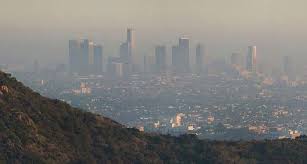
Air pollution, which includes hazardous particles like PM2.5, poses significant health risks due to its ability to penetrate deep into the lungs. Experts at the event emphasized the dangers of these pollutants.
Recent data support the gravity of the situation. Air pollution has become the second-leading global risk factor for mortality, surpassing illnesses like malaria and HIV/AIDS.
A UNICEF-supported study revealed that in Ghana alone, air pollution claimed over 28,000 lives in 2019—more than the combined fatalities from malaria, tuberculosis, and HIV/AIDS. Dr. Hughes stressed the urgency of action.
Mabel Laryea, GAYO’s Accra Project Coordinator, highlighted the pressing need to tackle methane emissions, which she described as “80 times more potent than carbon dioxide.”
“Methane is released when organic waste decomposes in landfills without adequate sorting,” she explained. “By educating communities on waste segregation and encouraging composting, we can reduce methane emissions and slow global warming.” She also advocated for community education campaigns to raise awareness of waste management practices.
Mrs. Sybil Marie-Boison, Greater Accra’s Regional Environmental Health Officer, proposed incorporating air pollution studies into the curricula of Ghana’s Schools of Hygiene.
“The theoretical aspects are covered, but practical enforcement is lacking. We must ensure air pollution education is integrated into school programs,” she noted, emphasizing the importance of community outreach to address health risks linked to poor air quality.
Abass Ibrahim, a municipal environmental health officer, described the training as impactful.
Accra’s ambition to cut emissions by 30% by 2030 relies on coordinated efforts across all sectors. The journey to cleaner air and healthier communities is achievable, but only through collective and sustained action.