Gov’t to prosecute Wontumi Farms over alleged GH¢24m Exim Bank fraud
By DL News
Published
2 min read
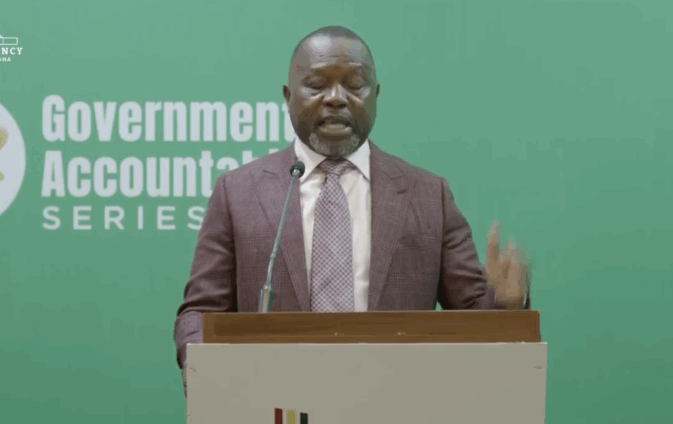
Addressing journalists at the Government Accountability Series on Monday, 22 December, Dr Ayine said investigations had uncovered forged documents used to secure a GH¢4 million facility from the state-owned bank.
The Attorney-General and Minister of Justice, Dr Dominic Ayine, says his office will press criminal charges against Wontumi Farms and its directors over an alleged scheme to defraud Exim Bank and cause the state a financial loss of more than GH¢24 million.
Addressing journalists at the Government Accountability Series on Monday, 22 December, Dr Ayine said investigations had uncovered forged documents used to secure a GH¢4 million facility from the state-owned bank.
“These are not mere breaches of a contract,” he said. “They amount to criminal conduct, and they involve no less a person than the then regional chairman of the ruling party.”
The Attorney-General explained that the decision to prosecute follows a detailed probe by the Economic and Organised Crime Office (EOCO), which he said has produced sufficient evidence to ground charges of defrauding by false pretences, forgery and causing financial loss to the state.
According to him, the state’s estimated loss stands at GH¢24,225,735, representing the original loan plus accrued interest.
The investigations found that Wontumi Farms obtained the GH¢4 million loan from Exim Bank using a falsified document. The company’s CEO, widely known as Chairman Wontumi, is alleged to have submitted a forged receipt in the name of Casama Enterprise to convince the bank that payment had been made for heavy-duty farming and industrial machinery, including bulldozers and excavators.
EOCO’s enquiries established that the document tendered to the bank was not a receipt but a proforma invoice that had been altered, with the word “invoice” replaced by “receipt.” The owner of Casama Enterprise is said to have confirmed that no payment was ever made, and that only a proforma invoice had been issued to Wontumi Ghana Limited.
Despite assurances from the company that the purchase would be completed, the transaction never went through, even though the forged document suggested Casama Enterprise had received the full GH¢4 million.
Dr Ayine said the case underscores the government’s determination to protect public financial institutions from fraud and abuse. He added that the prosecution will commence as soon as all outstanding documentation from Exim Bank is received and the necessary processes are completed for filing in court.