NACOC seizes 738 parcels of cannabis at Swissport Terminal
By DL News
Published
2 min read
The illicit cargo, cleverly concealed in 40 boxes falsely labelled as assorted food items, was en route to the United Kingdom, underscoring Ghana’s ongoing battle as a transit hub for drug shipments destined for Europe.
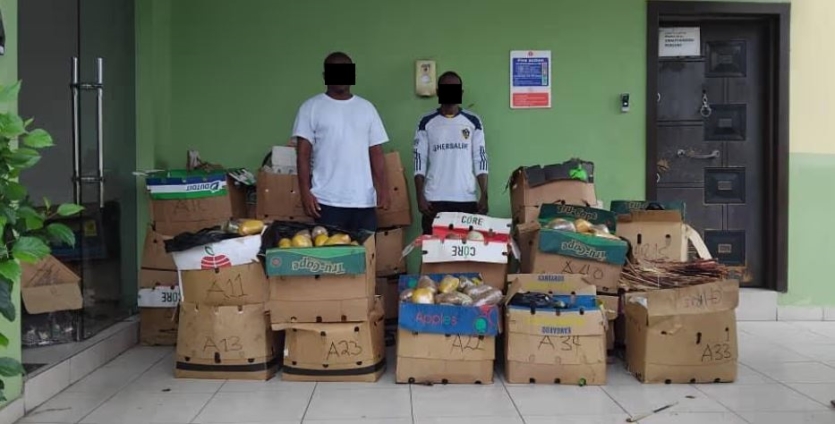
The Narcotics Control Commission (NACOC) has struck a major blow against drug trafficking in Ghana with the seizure of 738 compressed parcels of suspected cannabis at the Swissport Terminal of the Kotoka International Airport in Accra on July 5, 2025.
The illicit cargo, cleverly concealed in 40 boxes falsely labelled as assorted food items, was en route to the United Kingdom, underscoring Ghana’s ongoing battle as a transit hub for drug shipments destined for Europe.
The seizure followed weeks of intelligence gathering and surveillance, reflecting NACOC's deepening resolve to disrupt sophisticated smuggling operations. So far, two individuals have been arrested in connection with the bust and are assisting with investigations.
Authorities have also declared two additional suspects wanted:
Lincoln Nii Okaija (born March 27, 1979)
Kate Davidson, also known as “Esi”
The public is being urged to provide any information that may lead to their arrest.
Cannabis trafficking remains a significant concern in Ghana. According to NACOC’s 2022 data, authorities seized nearly 60,000 kg of narcotics, a fourfold increase from the previous year. While cocaine often makes headlines, cannabis consistently dominates seizure volumes due to its local production, domestic demand, and international smuggling routes.
In a related operation, NACOC conducted a major sweep across Akyem Oda and Akroso in the Eastern Region on June 24, resulting in the arrest of 14 suspects for possessing and distributing illegal drugs.
The Eastern Region operation also led to the closure of three licensed chemical stores found to be unlawfully selling unregistered and controlled substances, including codeine-based syrups (“red”) and cannabis. These shops, originally licensed for over-the-counter medications, were implicated in practices that worsen drug abuse within local communities.
Ghana continues to partner with international agencies—particularly in the UK—to strengthen its response to the transnational drug trade. Efforts include intelligence-sharing, joint investigations, and capacity building.
Drug trafficking in Ghana carries harsh penalties. Under the Narcotic Drugs (Control, Enforcement and Sanctions) Act, 1990 (PNDCL 236), offenders face a minimum of 10 years imprisonment for possession, importation, or exportation of narcotics without legal clearance.
NACOC has reaffirmed its commitment to rooting out drug trafficking, urging Ghanaians to remain alert and report suspicious activity. Officials maintain that community vigilance is key to their mission of building a drug-free Ghana.
These back-to-back operations highlight NACOC’s aggressive stance in protecting public health and national security from the escalating threat of illegal narcotics.