Obuasi East Assembly surpasses 2025 revenue target
By DL News
Published
1 min read
Between January and May 31, the Assembly raked in over GH₵1 million, well above the projected target of GH₵915,420.00.
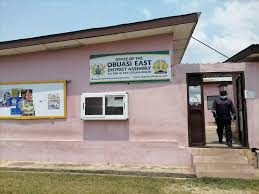
The Obuasi East Municipal Assembly has made significant strides in boosting its local revenue collection, exceeding its Internally Generated Fund (IGF) target for the first five months of 2025.
Between January and May 31, the Assembly raked in over GH₵1 million, well above the projected target of GH₵915,420.00. Municipal Chief Executive (MCE), Mr. William Kofi Adzowu, shared the news during his sessional address at a general assembly meeting, applauding the revenue mobilisation unit for its commitment and diligence.
While acknowledging the achievement, Mr. Adzowu emphasized the need to further improve in underperforming areas to sustain the momentum.
In his address, the MCE also briefed Assembly Members on key national initiatives, particularly the newly launched 24-Hour Economy and the Feed Ghana Programme (FGP). Speaking on the 24-Hour Economy initiative, launched by President John Dramani Mahama on July 3 in Accra, he described it as a strategic move to stimulate economic growth, boost job creation, and increase export revenues.
To align with this national agenda, the Assembly is taking steps to relocate wood traders from their current site to the newly established Boete Industrial Park. The vacated space will be transformed into a state-of-the-art 24-hour market, complete with modern infrastructure including parking areas and transport terminals, all aimed at energizing local commerce and reducing operational costs for traders.
The Assembly plans to roll out the project in phases, beginning with the construction of nine sheds. Supporting amenities such as a health post, school, police station, and lorry terminal will also be developed to serve the market and its surrounding communities.
Turning to the Feed Ghana Programme, Mr. Adzowu described it as a transformational agricultural policy aimed at enhancing food production, cutting down on imports, securing food availability, and generating rural employment. He revealed that the Assembly’s Agriculture Department is actively engaging with local farmers—registering them and conducting sensitisation sessions to ensure wide participation.