Sedina extradition shows Ghana-US cooperation against financial crime- Law lecturer says
By DL News
Published
1 min read
Speaking on JoyNews’ The Pulse on Tuesday, June 9, the international law and human rights lecturer said corruption cases often move beyond domestic law when suspects leave the country.
The extradition of former MASLOC Chief Executive Sedina Tamakloe-Attionu from the United States to Ghana has been described as an important test of cross-border cooperation in criminal justice.
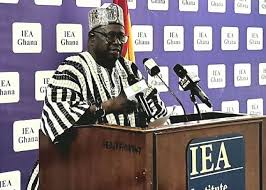
Prof Kwadwo Appiagyei-Atua, a lecturer at the University of Ghana School of Law, says the case shows how extradition arrangements can help countries pursue persons convicted or accused of corruption-related offences.
Speaking on JoyNews’ The Pulse on Tuesday, June 9, the international law and human rights lecturer said corruption cases often move beyond domestic law when suspects leave the country.
He said although prosecution for corruption is generally handled within a state’s own courts, international law becomes relevant when a person sought by the justice system crosses into another jurisdiction.
According to him, Tamakloe-Attionu’s return to Ghana demonstrates how two countries can rely on an extradition treaty to support the enforcement of justice.
Prof Appiagyei-Atua said the case also sends a message that borders should not become a shield for persons seeking to avoid accountability.
He noted that cooperation between Ghana and the United States in the matter illustrates the practical value of international legal instruments in dealing with financial crimes.
In his view, the process confirms that extradition can be used to return a convicted person to the country where the offence was tried and punishment imposed.
Tamakloe-Attionu was convicted in absentia in 2024 and sentenced to 10 years in prison.
The former MASLOC boss was found guilty of causing financial loss to the state and stealing in connection with the disbursement of MASLOC funds.
The court held that her conduct between 2013 and 2016 caused the state a loss of nearly GH¢90 million.
Ghana later requested her extradition from the United States in 2025.
A U.S. District Court in Nevada certified the request, paving the way for her return to Ghana to serve the sentence.