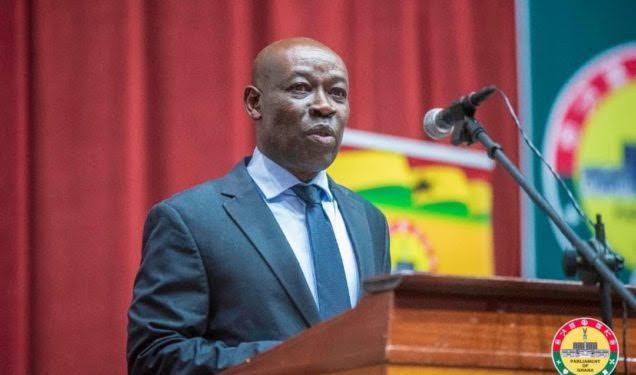
Use the courts, not media campaigns, to challenge judicial decisions — Thaddeus Sory to lawyers
By DL News
Published
1 min read
Speaking on the KSM Show on Monday, August 17, 2026, Mr Sory said public commentary, pressure or boycotts should not replace the procedures available within the judicial system.
Private legal practitioner Thaddeus Sory has cautioned lawyers against turning disputes over court decisions into media campaigns before exhausting the remedies provided by law.
He says lawyers who disagree with the decisions of judges or the Chief Justice must first test those decisions through the established legal processes.
Speaking on the KSM Show on Monday, August 17, 2026, Mr Sory said public commentary, pressure or boycotts should not replace the procedures available within the judicial system.
His comments follow the controversy over Chief Justice Paul Baffoe-Bonnie’s decision to authorise selected High Court judges to sit during the legal vacation.
The directive has affected some high-profile criminal trials, including those involving former National Signals Bureau Director-General Kwabena Adu-Boahene and former National Food Buffer Stock Company Chief Executive Officer Hanan Abdul-Wahab.
Lawyers in those cases have challenged the arrangement and asked for the trials to be deferred until October, when the new legal year begins.
Mr Sory said where a lawyer believes a judge has acted unfairly or improperly, the first step is to raise the objection before the court.
He said the judge would then make a ruling, which could be challenged through the appropriate legal channels.
According to him, lawyers also have the option of pursuing an appeal or other legal proceedings where the law allows.
Mr Sory said it was wrong to quickly frame such disputes as political interference or bias before the available remedies are used.
He also said lawyers who are unhappy with an administrative decision by the Chief Justice can formally engage the office of the Chief Justice.
He questioned why lawyers would bypass the available procedures and resort to public pressure.
Mr Sory warned that public statements on sensitive court matters may worsen tensions rather than help resolve the dispute.
He maintained that lawyers, as officers of the court, must lead by example by using legal procedures to challenge decisions they consider wrong.