WAEC flags exam cheating as national crisis, warns of security threats
By DL News
Published
2 min read
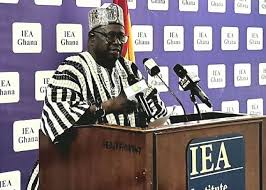
At a stakeholder forum held in Cape Coast, WAEC’s Head of Humanities, Mr. Daniel Nii Dodoo, disclosed that mass cheating—some of it coordinated by entire schools—has escalated despite enforcement efforts.
The West African Examinations Council (WAEC) has raised alarm over the rising tide of orchestrated examination fraud, describing it as a national emergency that threatens the country’s educational credibility and internal security.
At a stakeholder forum held in Cape Coast, WAEC’s Head of Humanities, Mr. Daniel Nii Dodoo, disclosed that mass cheating—some of it coordinated by entire schools—has escalated despite enforcement efforts. He warned that the issue now transcends academic dishonesty and is undermining the very foundation of Ghana’s education system and national development.
Startling Numbers, Deep Implications
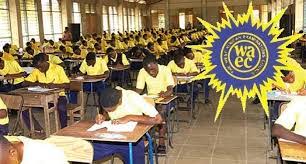
Mr. Dodoo revealed troubling statistics. In 2023 alone, over 587,000 subject results were withheld due to suspected malpractice, with more than 59,000 results fully cancelled. In 2022, about 382,000 results faced similar scrutiny. According to him, these numbers reflect a disturbing trend that puts Ghana’s academic integrity at stake.
He outlined several consequences, including the proliferation of incompetent graduates, institutional decay, increased youth frustration, and susceptibility to extremist influence. The possibility that individuals can rise to positions of power or gain employment through dishonest means, he warned, represents a direct threat to democratic integrity.
Targeted Officials and Escalating Threats
WAEC officials, Mr. Dodoo noted, have come under threat, facing intimidation for attempting to uphold examination standards. He described the council as “under siege” and urged the public to rally behind its staff.
“This is not just cheating—it’s organised crime. It involves networks, bribery, coercion, and systemic abuse,” he stated, urging law enforcement and the judiciary to pursue perpetrators with the seriousness such offenses demand.
Call for Collective Action
He called on all sectors of society—including government agencies, religious bodies, teacher unions, parents, and the media—to unite in restoring integrity to the system. He specifically appealed to the Parliamentary Select Committee on Education for enhanced oversight and timely funding to empower WAEC.
Additionally, Mr. Dodoo proposed a strategic response that includes:
Strengthening punitive measures
Introducing ethical education at an early age
Employing technological tools like biometric verification and randomised test items
Encouraging whistleblower participation
Accrediting independent NGOs to assist in exam monitoring
Inside the Cheating Syndicates
John Kapi, WAEC’s Head of Public Affairs, revealed alarming tactics used by cheating syndicates. These include smuggling of electronic devices, impersonation, and even hiding individuals in ceilings to transmit answers. He described the operations as highly organised, with financial backing and collusion from multiple actors.
Regional Insights: A Widening Crisis
Central Regional Director of Education, Emmanuel Essuman, who chaired the meeting, echoed these concerns. He painted a grim picture of a “systemic crisis” facilitated by parents, teachers, invigilators, and sometimes even security personnel.
Mr. Essuman recounted shocking instances: students wearing multi-pocketed clothing to hide unauthorized materials; entire communities supporting illegal ‘adopt centres’ in remote locations; and parents buying leaked exam papers in desperation.
In one disturbing case, a school official who reported malpractice was threatened, with knives left in his room as a warning. Despite the presence of security officers at some exam centres, he claimed, malpractice continued, with some officers allegedly complicit.
He urged all involved—educators, parents, communities, and oversight bodies—to recommit to ethical standards and protect the integrity of Ghana’s education system.