Ghana maps 448 conflict ‘hotspots’,-Interior Minister warns ahead of gun amnesty deadline
By DL News
Published
1 min read
Speaking at the 58th Ashanti Regional Maulid celebration, Alhaji Mubarak said a recent national security report, submitted last week, showed that most of the hotspots were linked to chieftaincy disputes and related tensions.
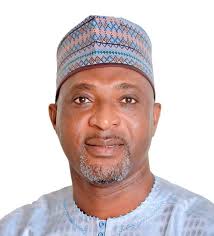
Ghana’s security agencies have identified 448 locations across the country as potential flashpoints for violence, the Minister for the Interior, Mohammed Muntaka Mubarak, has revealed.
Speaking at the 58th Ashanti Regional Maulid celebration, Alhaji Mubarak said a recent national security report, submitted last week, showed that most of the hotspots were linked to chieftaincy disputes and related tensions.
He disclosed that the Ashanti Region alone accounts for 68 of the identified areas, while the Central Region has 88.
“The five regions in the north, where we think there is a lot of conflict, have 122 spots,” he said, adding that although the south recorded a higher number of hotspots overall, violent incidents in the north tended to be more severe.
The Minister attributed the heightened intensity of northern conflicts to impatience and a reluctance to rely on established mechanisms for resolving disputes.
“In some places, when issues happen, they try to resolve them using the laid-down dispute resolution process,” he noted, contrasting this with communities where parties are quicker to resort to confrontation.
Alhaji Mubarak, who is also the MP for Asawase, appealed to Muslims and the wider public to exercise restraint and channel grievances through lawful and peaceful means to safeguard national stability.
He further urged citizens to make use of the ongoing gun amnesty programme, which runs until 15 January 2026, to surrender unregistered weapons or regularise their status where possible.
“If this period elapses, we will intensify stop and search,” he cautioned, signalling tougher enforcement measures after the deadline.
The Maulid gathering in the Ashanti Region brought together leading Islamic figures and traditional leaders, including the Emir of Kano, Muhammadu Sanusi II, and Ghana’s National Chief Imam, Sheikh Osman Nuhu Sharubutu, reflecting broad concern within religious and community leadership over rising tensions in parts of the country.